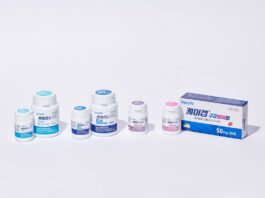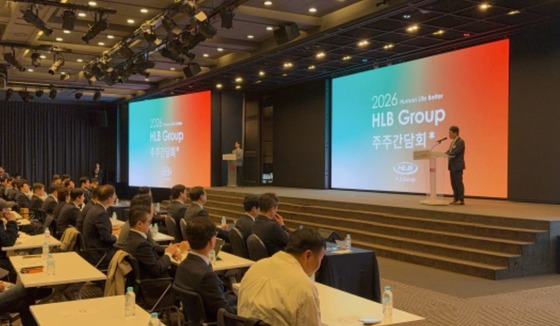
HLB is stepping up efforts to secure U.S. approval for its liver cancer drug rivoceranib after three previous setbacks, following FDA approval of Riptivo, a treatment for bile duct cancer containing lirafugratinib as its active ingredient. The company is encouraged by its first experience successfully navigating the U.S. drug approval process directly, as well as recent FDA inspections of its Chinese partner’s manufacturing facilities that concluded with Voluntary Action Indicated (VAI) classifications.
HLB’s U.S. subsidiary, Elevar Therapeutics, received FDA approval on Sept. 24 for lirafugratinib as a second-line treatment for cholangiocarcinoma with FGFR2 fusions or rearrangements. It marks the first time HLB has directly submitted a new drug application (NDA) to the FDA and secured approval for an oncology drug. The company is targeting a U.S. launch in the fourth quarter of this year.
HLB considers the Riptivo approval significant for reasons beyond securing its first FDA approval. The process has given the company an opportunity to overcome mistakes and setbacks it repeatedly encountered at the final stage of drug development.
In particular, manufacturing facilities and quality control—not clinical efficacy or safety—have been the key factors affecting the approval of rivoceranib.
The combination of rivoceranib and camrelizumab, developed by Chinese pharmaceutical company Hengrui, has failed to secure approval three times: after receiving its first FDA Complete Response Letter (CRL) in May 2024, followed by further setbacks in March 2025 and July this year.
The third CRL was also triggered by issues identified at Hengrui’s manufacturing facilities. At the time, the FDA withheld approval based on findings related to compliance with current good manufacturing practice (cGMP) requirements at the rivoceranib manufacturing facility.
The repeated setbacks also placed considerable pressure on HLB’s drug approval strategy. The problems did not stem from a lack of clinical data for rivoceranib itself, but from recurring difficulties in ensuring and demonstrating that Hengrui’s manufacturing and quality control capabilities met FDA standards.
The FDA had already flagged issues at the camrelizumab manufacturing facility in 2024. In the third CRL this year, the rivoceranib manufacturing facility became an issue again. For HLB, this meant that, separate from conducting clinical trials to demonstrate a drug’s efficacy, it also had to ensure that a global partner’s manufacturing facilities met FDA requirements.
VAI classifications clear hurdles at both API and finished-drug facilities
The situation has recently begun to change.
An FDA inspection of the facility manufacturing rivoceranib’s active pharmaceutical ingredient (API) concluded with a VAI classification in July. A routine cGMP inspection of the finished drug product (DP) manufacturing facility also concluded with a VAI classification this month. VAI is a designation used when inspection findings do not warrant separate official regulatory action. The results suggest that many of the major FDA-related uncertainties surrounding both facilities have been substantially addressed.
HLB is now accelerating preparations for a new rivoceranib application. In addition to its existing clinical data, the company is considering submitting further safety data collected through the latest period, along with real-world prescription data from China. It plans to resubmit the application to the FDA once preparations are complete.
Industry observers believe the Riptivo approval could have a positive effect on HLB’s renewed bid for rivoceranib.
Although Riptivo and rivoceranib are different drugs, and approval of Riptivo does not guarantee that rivoceranib will be approved, Elevar has now gained direct experience with the entire FDA process, from filing an NDA and responding to the review to managing manufacturing facilities and obtaining final approval. HLB says it intends to apply the regulatory experience accumulated during the Riptivo approval process to the U.S. development of other drugs.
“Attention is focused on whether HLB’s FDA approval experience with Riptivo and the resolution of manufacturing facility issues will translate into tangible results in rivoceranib’s fourth attempt,” an industry official said. “The key question is whether HLB, which missed three opportunities because of manufacturing and quality control issues rather than clinical data, can avoid repeating the same mistakes this time.”