

No one chooses their starting point in life. The purpose of a nation is to level the playing field, addressing inequalities that arise by chance and providing a safety net that allows individuals to bounce back even after setbacks.
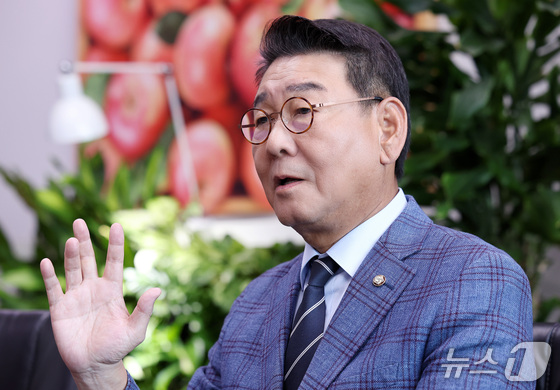
In a recent interview with News1, Democratic Party Representative Kim Kyo-hung emphasized that supporting youth transitioning to independence is a government responsibility. He highlighted the need to address disparities in financial support for young people leaving child welfare facilities or foster care, which currently varies by location. Kim argued that the government must provide comprehensive, ongoing support in areas such as housing, employment, and mental health, beyond just financial assistance.
Kim identified youth preparing for independence as a group in critical need of social protection. He pointed out that the rate of suicidal thoughts among these young adults is 46.5%, 4.4 times higher than their peers. He criticized the current system, stating that pushing an eighteen-year-old into the world unprepared isn’t independence; it’s abandonment.
As a solution, Kim proposed lowering the age for independence support from 15 to 13, allowing for more systematic preparation. He also suggested eliminating regional disparities in settlement funds and establishing a public mentoring network to support these young adults. Kim asserted that the government’s role as a responsible guardian extends beyond early intervention, ensuring these youth can establish themselves in society after achieving independence.
The following is a Q&A with Representative Kim.
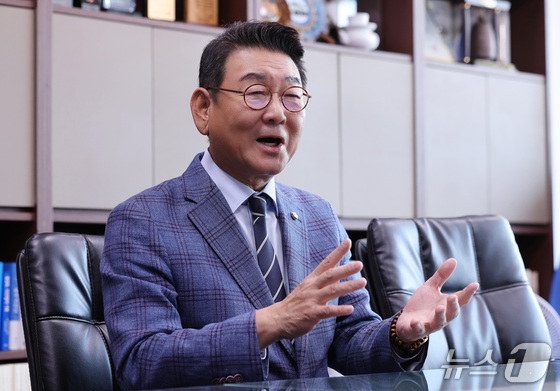
– What’s the most pressing issue in supporting youth transitioning to independence?
▶ We need to restructure the system so that the government takes full responsibility for settlement funds. In the past five years, 7,395 youth have aged out of care. However, since 2005, when funding shifted to local governments, the national government only recommends a minimum payment of 10 million KRW (about 7,400 USD), leaving the actual amount to local discretion. This results in youth in Seoul receiving 20 million KRW (around 14,800 USD), while those in other regions, like Incheon, get only half that amount.
These young people don’t choose their starting point or where they grow up. It’s unacceptable that their initial funding varies by location – this shows the government isn’t fulfilling its duty. We must make settlement funds a national program with standardized amounts across the country. The federal government should cover 70-80% of the costs, with local governments providing additional support tailored to regional needs, such as housing and job assistance.
– Beyond settlement funds, what other support is crucial during the transition to independence?
▶ On average, youth preparing for independence spend 12 years in care. Yet, when this support ends, many are thrust into independence without adequate preparation. The current system essentially hands them a bank account and says, You’re eighteen now, so you’re on your own starting tomorrow.
We need to lower the age for independence support from 15 to 13, aligning with the start of middle school. This change would allow for earlier, gradual introduction of career planning, housing preparation, financial education, and psychological counseling, better equipping these youth for their transition into society. The Ministry of Health and Welfare has agreed to this proposal, committing to facilitate earlier career and housing preparation.
It’s also crucial to provide supportive adult figures during the independence process. Currently, one staff member manages 30-40 youth, making it impossible to offer personalized emotional support. Just as it takes a village to raise a child, it takes multiple adults to support a young person transitioning to independence.
We should create a diverse mentoring pool including legal, financial, and healthcare experts, as well as religious leaders, former and current government officials, and successful graduates of the independence program. This national responsibility public mentoring platform would allow youth to choose mentors based on their specific needs.
– How can we maintain support for youth who fall through the cracks or become isolated after leaving care?
▶ Currently, post-care support only activates when youth reach out or maintain contact. Paradoxically, this system further isolates those dealing with fraud, job loss, or depression who may become unreachable – the very individuals who need help most.
To locate isolated youth, we need to leverage crisis indicators. We should create a system that links data on warning signs – such as unpaid health insurance or phone bills, or long-term inactivity in support accounts – with information from dedicated support agencies to proactively identify at-risk youth.
We must significantly increase staff to reduce caseloads, enabling more direct outreach. Given that many of these youth struggle to engage with official institutions, we should hire peer support workers who have overcome similar challenges. These individuals can reach out to isolated youth and help them re-engage with society.
– What legislation or policies do you aim to push through this National Assembly to create a society where youth can recover from setbacks?
▶ No one chooses their starting point in life. A nation’s purpose is to address inequalities arising from chance and provide a safety net that allows individuals to rise again after stumbling.
My top priority for this National Assembly is passing the suicide prevention fund bill, co-sponsored by 127 members across party lines. This aims to create a comprehensive safety net spanning from schools through military service and into society.
I’m also committed to nationalizing settlement funds for youth transitioning to independence and lowering the support age to 13. We must ensure that every young person can take their first steps with confidence, regardless of their background. The National Assembly must fulfill its role as a responsible guardian by allocating the necessary budget and passing appropriate legislation to ensure no young person faces life’s challenges alone.