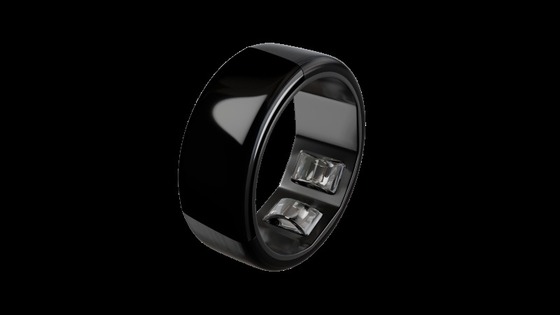
A study utilizing Skylabs’ ring-shaped blood pressure monitor revealed that patients whose medication was adjusted based on 24-hour blood pressure data were more likely to reach target blood pressure after six months compared to those receiving standard care. This finding suggests that blood pressure monitoring devices could play a crucial role in informing treatment decisions beyond simple monitoring.
Skylabs announced on Friday that the clinical research results of their cuffless blood pressure monitor, CART, conducted by the cardiology research team at Korea University Anam Hospital, have been published in Clinical Hypertension, the official journal of the Korean Society of Hypertension.
The study, titled Medication Adjustment Based on Cuffless 24-Hour Ambulatory Blood Pressure Measurement in Real-World Clinical Settings: A Prospective Non-Randomized Study, offers valuable insights into hypertension management.
The six-month study involved 246 patients with inadequately controlled hypertension. Researchers compared blood pressure control outcomes between 67 patients whose medications were adjusted based on CART’s 24-hour blood pressure data and 179 patients receiving standard care.
Analysis of 162 patients who completed the 24-hour blood pressure measurement after six months showed striking results. The CART group achieved a target blood pressure rate of 65.8%, significantly outperforming the standard care group’s 36.3% – a difference of 29.5 percentage points. Moreover, the CART group’s 24-hour average systolic blood pressure was 7.35 mmHg lower than the standard care group’s, after adjusting for patient characteristics. These target blood pressure achievement rates were confirmed through additional exploratory analysis.
Noteworthy differences emerged in medication management as well. Over the six-month period, the average increase in prescribed antihypertensive drug classes was 0.85 for the CART group, compared to 0.37 for the standard care group. This suggests that 24-hour blood pressure data can serve as a valuable reference for healthcare providers in tailoring medication regimens and treatment strategies.
Conventional hypertension treatment relies on office blood pressure readings for medication adjustments. However, these isolated measurements often fail to capture blood pressure fluctuations during daily activities or sleep. The CART device, a finger-worn medical device, is designed to measure blood pressure continuously for 24 hours without the need for an arm cuff. This allows healthcare providers to consider day and night blood pressure variations when adjusting medications.
While this study demonstrates the potential of cuffless blood pressure monitors to support hypertension treatment decisions in real-world clinical settings, caution is warranted in interpretation. As a prospective observational study without randomization, it cannot definitively establish a causal relationship between CART usage and improved blood pressure control. Further validation through randomized clinical trials is necessary to confirm these promising results.
Lee Byung-hwan, Chief Executive Officer (CEO) of Skylabs, emphasized the significance of the study, stating that this research demonstrates that the CART blood pressure monitor can go beyond mere measurement, actively supporting healthcare professionals in medication adjustments and treatment decisions for hypertension. It’s committed to further developing the artificial intelligence (AI)-based medical data technologies and building a robust body of clinical evidence to contribute to more effective chronic disease management.
The study’s full title is Medication Adjustment Based on Cuffless 24-Hour Ambulatory Blood Pressure Measurement in Real-World Clinical Settings: A Prospective Non-Randomized Study.
Skylabs, a medical device company specializing in biometric data collection and analysis, has developed the CART BP Pro, a ring-shaped cuffless blood pressure monitor. This innovative device enables 24-hour blood pressure monitoring during daily activities and sleep. As of June, it has been adopted by over 1,800 hospitals and clinics nationwide, including Korea’s top five medical centers, highlighting its growing acceptance in the medical community.