A groundbreaking healthcare initiative is set to revolutionize cancer care across the U.S. This new system will leverage artificial intelligence (AI) to connect top-tier cancer treatments from major metropolitan hospitals with regional medical centers, ensuring high-quality care for patients nationwide. The goal is to eliminate regional disparities in medical services and foster a more sustainable healthcare ecosystem.
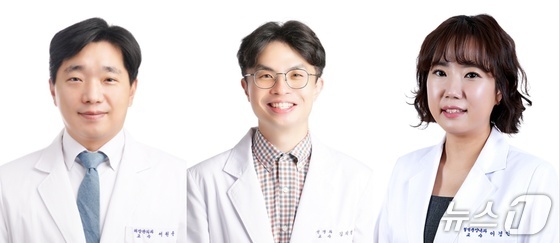
Korea University Guro Hospital announced on Friday that Professor Seo Won-jun and his team from the Department of Gastrointestinal Surgery will join the Korean-style ARPA-H project as co-researchers. Their focus will be on developing K-NEXUS, an AI-driven regional cancer care collaboration system.
The Korean-style ARPA-H project, spearheaded by the Ministry of Health and Welfare, is a cutting-edge national research and development initiative. It targets five critical areas: health security, unmet medical needs, biohealth, welfare and caregiving, and essential medical services, tackling healthcare challenges that have proven resistant to conventional solutions.
This particular project, led by Kangwon National University Hospital, aims to establish a comprehensive AI-based cancer management network. At its core, the initiative seeks to enhance the continuity of care for cancer patients by using AI to bridge local medical facilities with major metropolitan hospitals, covering the entire spectrum from diagnosis to post-treatment care.
Currently, cancer treatment is heavily concentrated in large metropolitan hospitals. This often forces patients from outlying areas to make frequent, lengthy trips to urban centers for specialized care. The lack of seamless information sharing between local clinics and advanced hospitals exacerbates this issue, necessitating repeated long-distance travel.
K-NEXUS aims to address these challenges through an AI-powered medical collaboration system. Korea University Guro Hospital will spearhead the AI-based multidisciplinary team (AI-MDT) approach. Professor Seo, as the project lead at Guro Hospital, will design a framework enabling seamless information sharing and collaboration between local medical facilities and metropolitan hospitals.
A key focus will be developing AI capabilities to analyze and summarize patient records, providing healthcare providers with crucial information at their fingertips. This will empower local medical staff to quickly grasp a patient’s medical history, test results, and treatment journey, facilitating more effective collaboration with urban specialists.
The project will also involve rigorous verification of AI-generated medical information and collaboration outcomes, while standardizing diverse medical data across institutions. Plans are underway to explore integration with Korea University Guro Hospital’s electronic medical records (EMR) system, ensuring real-world applicability.
This initiative promises to significantly reduce the burden on patients, eliminating the need to physically transport medical records and test results between appointments. However, as AI will not replace human judgment in final diagnoses or treatment decisions, the project’s success hinges on its ability to facilitate swift and accurate collaboration between local practitioners and metropolitan specialists.
The research team’s vision extends beyond mere technological advancement. They aim to create a comprehensive care system where cancer patients can receive treatment at local hospitals, quickly consult metropolitan specialists when necessary, and continue their care journey closer to home.
Professor Seo emphasized that in a landscape where cancer patients often face repeated trips to urban hospitals for specialized care, strengthening inter-institutional cooperation is crucial. The goal is to foster an environment where cancer patients can access continuous, systematic care within their own communities.