

A six-month treatment regimen recommended by the World Health Organization (WHO) for isoniazid-resistant pulmonary tuberculosis has demonstrated treatment outcomes and safety comparable to those of existing alternative regimens in real-world clinical settings in South Korea.
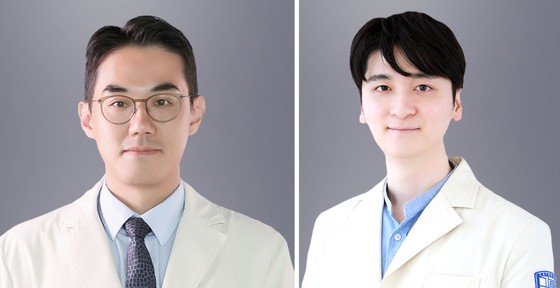
A research team led by Professors Min Jin-soo and Lee Jong-min of the Division of Pulmonary Medicine at Seoul St. Mary’s Hospital, Catholic University of Korea, announced on the 28th the findings of a prospective study evaluating the efficacy and safety of a six-month regimen containing a quinolone antibiotic in patients with isoniazid-resistant pulmonary tuberculosis.
Tuberculosis is an infectious disease caused by Mycobacterium tuberculosis. It primarily affects the lungs and spreads through the air, including when an infected person coughs or sneezes. Without appropriate treatment, the disease can spread to others or worsen a patient’s health, making early diagnosis and consistent treatment essential.
For tuberculosis resistant to isoniazid alone, WHO recommends a six-month regimen combining rifampicin, ethambutol and pyrazinamide with a quinolone antibiotic, either levofloxacin or moxifloxacin.
However, prospective evidence evaluating the regimen’s efficacy and safety in real-world clinical settings has been limited. This study is significant because it evaluated the regimen at South Korean medical institutions participating in the national tuberculosis control program.
Tuberculosis remains a significant public health concern in South Korea. In 2024, the country reported 17,070 tuberculosis cases, equivalent to 33.5 cases per 100,000 people. Adults aged 65 and older accounted for 10,669 cases, or 62.5% of the total.
Isoniazid, together with rifampicin, is a cornerstone of standard first-line tuberculosis treatment. When the bacteria develop resistance to isoniazid, standard treatment alone may not be sufficiently effective, requiring adjustments to the treatment strategy. Although isoniazid-resistant tuberculosis is distinct from multidrug-resistant tuberculosis, selecting an appropriate treatment regimen remains important.
The research team prospectively monitored 2,871 adult patients with pulmonary tuberculosis at 15 hospitals participating in South Korea’s public-private partnership national tuberculosis control program between 2016 and 2024. Of these, 99 patients whose drug susceptibility tests confirmed resistance to isoniazid alone were included in the analysis.
Of the 99 patients, 55 (55.6%) received a six-month regimen combining rifampicin, ethambutol and pyrazinamide with a quinolone antibiotic, while the remaining 44 (44.4%) received a regimen that did not include a quinolone antibiotic.
The analysis found that 70.9% of patients in the quinolone-containing group and 72.7% in the group that did not receive a quinolone remained free of recurrence within 12 months after completing treatment. The difference was not statistically significant. The results remained consistent after adjustment for multiple variables.
Serious adverse events occurred in 25.3% of all patients. The rate was 29.1% in the quinolone-containing group and 20.5% in the group that did not receive a quinolone, but the difference between the two groups was not statistically significant.
The research team said the findings provide prospective evidence that the WHO-recommended regimen delivers treatment outcomes and safety comparable to those of an existing alternative regimen in South Korean clinical practice. However, the study was observational rather than randomized, and the analysis was limited to 99 patients, so the findings should be interpreted with caution. Further validation through larger studies is also needed.
Professor Min said, “Isoniazid-resistant pulmonary tuberculosis is the most common form of drug-resistant tuberculosis, but evidence on its treatment in real-world clinical settings has been limited.” He added, “This study could help clinicians select appropriate treatment regimens by taking into account individual patient characteristics and adverse drug reactions.”