K-beauty sunscreens, renowned for their lightweight and hydrating feel often described as applying like lotion, have reached a new milestone in the U.S. market. The Food and Drug Administration (FDA) recently approved bemotrizinol (BEMT) as a new active ingredient for sunscreens, bolstering the application and ultraviolet (UV) protection capabilities of Korean sunscreens.
Bemotrizinol effectively absorbs both UVA rays, which contribute to skin aging, and UVB rays, which cause sunburn. Unlike mineral sunscreen ingredients such as zinc oxide and titanium dioxide, bemotrizinol helps minimize the white cast on skin while providing a lightweight and smooth texture.
It also boasts excellent photostability, maintaining its protective properties even after extended sun exposure, and has a low absorption rate in the body. Next-generation UV filters containing bemotrizinol can deliver both high UV protection and a fresh feel, making them a key technology that has earned acclaim for K-beauty sunscreens internationally.
However, major Korean brands don’t expect this development to immediately boost their sunscreen exports to the U.S. Many Korean products contain other next-generation UV-blocking ingredients not yet approved in the U.S., preventing them from launching these formulations stateside without modifications.
Reducing White Cast While Blocking Both UVA and UVB… U.S. Approves New Filter After Two Decades
According to industry sources on Thursday, the FDA issued a final order last month adding bemotrizinol as an active ingredient for over-the-counter (OTC) sunscreens. This marks the first approval of a new UV-blocking ingredient in the U.S. in over 20 years, since the late 1990s.
The FDA determined that bemotrizinol is generally recognized as safe and effective (GRASE) at concentrations up to 6% for adults and children over six months old. The final order takes effect on August 9.
Unlike Korea, the U.S. regulates sunscreens as OTC drugs rather than cosmetics. This means approved UV-blocking ingredients and their concentrations are limited, and products must meet stringent efficacy testing, manufacturing and quality control (GMP), drug registration, and labeling standards.
Due to these regulatory differences, K-beauty brands have had to develop separate products for the U.S. market, even for the same sunscreen line, using only permitted ingredients. Achieving the signature lightweight feel and high UV protection of Korean products with the limited ingredients available in the U.S. has been challenging.
A recent comparison test by Consumer Reports, a leading U.S. consumer magazine, evaluated sunscreens from Chosun Beauty, Innisfree, and Round Lab for both Korean and American markets. The results showed that all three brands had superior UV protection in their Korean versions. This difference stems from the ability to combine multiple next-generation filters, including bemotrizinol, in Korean products, while U.S. products must adhere to existing FDA-approved ingredients.
With bemotrizinol’s approval, there’s now greater potential to enhance the texture and protection of U.S. products. However, other ingredients common in Korean sunscreens, such as diethylamino hydroxybenzoyl hexyl benzoate (DHHB) and ethylhexyl triazone (EHT), remain prohibited in the U.S. While bemotrizinol has been given the green light, the complete Korean formulations are still not fully accessible.
Chosun Beauty and MediCube: Other Ingredients Still Restricted… U.S.-Specific Formulations Unavoidable
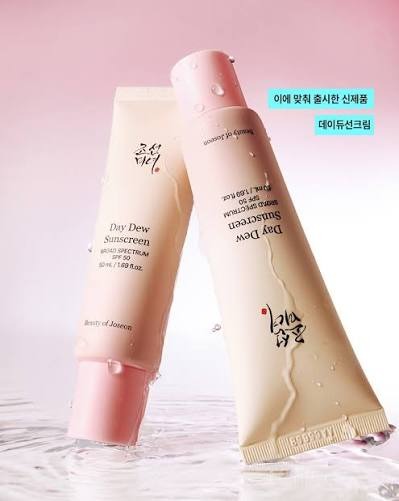
Chosun Beauty, a brand under Gudai Global, sells sunscreens containing bemotrizinol in both domestic and international markets. However, for the U.S., it has developed a separate product that complies with FDA OTC regulations.
The Day Dew Sunscreen SPF 50, available at U.S. retailers like Sephora, is formulated with existing FDA-approved ingredients such as avobenzone, homosalate, octisalate, and octocrylene. Their Tinted Mineral Dayscreen SPF 30 uses zinc oxide. Neither product includes bemotrizinol.
In contrast, Chosun Beauty’s Clear Rice Sunscreen Aqua Fresh sold in Korea contains bemotrizinol along with four other UV-blocking filters. Of these, only bemotrizinol has recently been approved in the U.S.; the remaining ingredients are not on the U.S. approved list, preventing the sale of the existing product without reformulation.
A Gudai Global spokesperson stated that the approval of bemotrizinol doesn’t mean we can immediately export Korean sunscreens to the U.S. Many other next-generation UV-blocking ingredients commonly used in Korean sunscreens are still not permitted in the U.S.
They believe utilizing bemotrizinol will facilitate developing formulations with reduced greasiness and stickiness compared to existing U.S. products, but specific development timelines, launch dates, and retail channels remain undetermined.
APR also has MediCube sun care products incorporating bemotrizinol but doesn’t sell them in the U.S. Developing U.S.-compliant sunscreens requires meeting comprehensive OTC regulations, including ingredient specifications, efficacy testing, manufacturing facilities, quality control, and labeling.
An APR representative commented that the approval of bemotrizinol is significant as it expands the range of UV-blocking ingredients available in the U.S. market, but emphasized that it can’t sell existing domestic products in the U.S. with the same formulation.
They added that currently, the direct impact on launching MediCube’s U.S. sun care products is limited, and stated that they’ll assess regulatory changes and consumer demand to guide future product development.
While brands have yet to finalize launch plans, the original design manufacturer (ODM) industry is actively working on U.S.-compliant formulations. Cosmecca Korea’s U.S. subsidiary, Inglewood Lab, unveiled a sun care formulation featuring bemotrizinol at a beauty expo in Las Vegas this month.
Industry insiders believe that while exporting Korean products as-is remains challenging, the new competitive edge will be how quickly companies can replicate the unique feel of K-sunscreens within U.S. OTC standards using the newly approved ingredient.