North Korea appears to be accelerating its efforts to revitalize its tourism industry by opening the Wonsan-Kalma coastal tourist zone to Russian tourists and recruiting visitors for an upcoming trade fair in Pyongyang this October. This development raises questions about whether North Korean tourism, caught between openness and control, is entering a new phase.
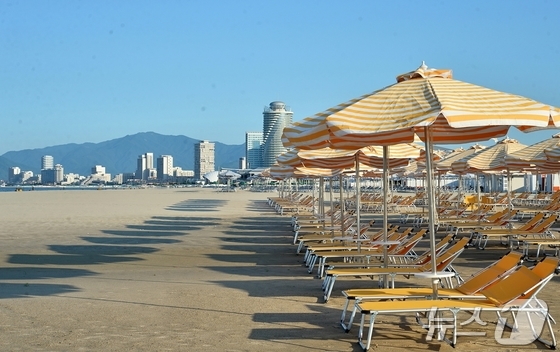
According to TASS, Russian tour groups will visit the Wonsan-Kalma coastal tourist zone for an eight-day trip starting on Monday.
The Russian travel agency Vostok Intur has launched package tours for the Kalma area in July and August, priced at 1,840 USD per person. This package includes flights from Pyongyang to Wonsan, four nights at the Kalma Resort, and a visit to the Masikryong Ski Resort.
Earlier in February, North Korea briefly reopened tourism in the Rason (Rajin-Sonbong) Special Economic Zone to foreign visitors, excluding South Koreans and Americans, only to abruptly halt it after three weeks. This was the first time in five years that North Korea had reopened tourism in the Rason area following border closures due to the COVID-19 pandemic. Last year, North Korea only permitted Russian tourists in select regions, including Pyongyang.
The opening of the Kalma area is significant as it marks the first time in five months, aside from the Pyongyang Marathon in April, that foreign tourists will officially enter North Korea for tourism purposes.
North Korea is ramping up the expansion of its tourism industry, with plans to decide on the development of new tourist areas during the 9th Congress of the Workers’ Party, scheduled for late this year or early next year.
Tourism in Pyongyang is also set to resume in October, coinciding with the Pyongyang International Trade Fair (PITF).
However, North Korea has banned the participation of journalists, travel content creators, and influencers, likely aiming to prevent negative portrayals from being disseminated through various media outlets. Analysts suggest that the abrupt halt in tourism in the Rason area, which occurred after just three weeks, was influenced by negative reviews posted on social media by Western tourists regarding the realities of life in North Korea.
Professor Lim Eul Chul from Kyungnam University’s Institute for Far Eastern Studies commented that North Korea is caught in a dilemma of needing to achieve both openness and control, and Kim Jong Un is likely well aware of this. Further, they are attempting to acclimate Western tourists while sending the message that “this is how you should behave when traveling in North Korea.”
Professor Lim also predicted that once North Korea gains confidence in managing the situation, they may allow influencers and content creators to visit, adopting a more open stance.