

A recent analysis suggests that the decline of Jangmadang, once the cornerstone of North Korea’s informal economy, is making it increasingly challenging for citizens to make ends meet.
On Wednesday, Asiapress, a Japanese media outlet specializing in North Korean affairs, hosted a seminar titled “Declining Markets, Strengthening State Monopoly – The Rapidly Changing North Korean Economy and Kim Jong Un’s Resurgent Control.” The seminar was based on local investigations conducted by six internal collaborators within North Korea.
The findings from Asiapress indicate that the era when North Koreans could freely engage in economic activities at Jangmadang to support themselves has come to an end. The situation has shifted dramatically, with individuals now struggling to make a living unless they belong to state-sanctioned organizations or hold positions that are approved by the state.
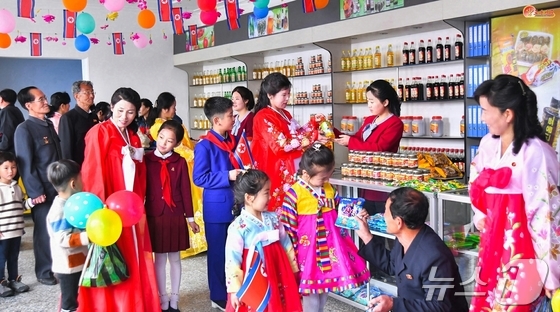
Asiapress noted that Jangmadang has been reduced to a mere auxiliary space for state-run stores, attributing this transformation to the North Korean regime’s anti-Jangmadang policies.
Analysts suggest that through these anti-Jangmadang measures, North Korea aims to curtail China’s economic influence as the primary supplier of market goods, bolster economic independence and internal control through a policy of self-reliance, and revitalize state-led distribution networks to boost fiscal revenues.
However, Asiapress reports that the regime’s objectives are falling short, and the economic hardships faced by citizens are intensifying.
Asiapress diagnoses a vicious cycle: as Jangmadang shrinks, cash flow throughout North Korea’s economy has stagnated, factory production rates have plummeted, and market demand has dwindled.
During the mid-1990s, amid the North Korean famine known as the “Arduous March,” Jangmadang emerged organically across the country. These markets became hubs for trading illegally imported goods through merchants or party officials, as well as food secretly smuggled from cooperative farms. As a result, they became prime targets for intense government crackdowns.
Despite persistent enforcement efforts, the resilience of Jangmadang led North Korean authorities to eventually legalize some larger markets by bringing them under government management.