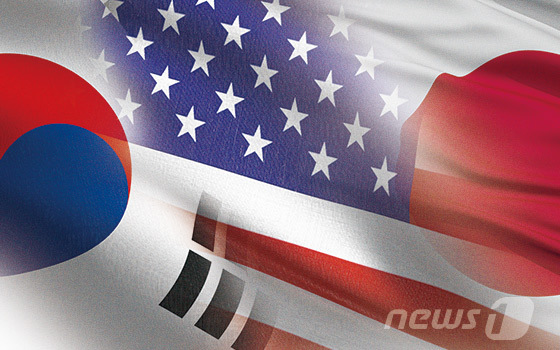
The diplomatic authorities of South Korea, the U.S., and Japan have intensified their efforts to counter North Korean cyber threats through trilateral cooperation, as announced by South Korea’s Ministry of Foreign Affairs on Thursday.
The three nations convened the 4th Working Group Meeting on Responding to North Korean Cyber Threats in Tokyo, Japan, from Wednesday to Thursday.
Key participants included Baek Yoon-jung, Director of International Security Cyber Affairs at South Korea’s Foreign Ministry; Jonathan Fritz, Principal Deputy Assistant Secretary for East Asian and Pacific Affairs at the U.S. State Department; and Fumito Miyake, Japan’s Cyber Policy Ambassador. The meeting also brought together over 70 officials specializing in North Korean nuclear and cyber issues from various departments across the three countries.
The delegates assessed the latest trends in North Korea’s illicit cyber activities, including cryptocurrency theft, money laundering, and the deployment of overseas information technology (IT) personnel. They also strategized on effective countermeasures.
Sources indicate that the participants reached a consensus on the critical need to bolster sanctions and enhance cybersecurity collaboration through this trilateral partnership.
In conjunction with the meeting, a public-private sector event was held on Tuesday in partnership with cybersecurity firm Mandiant, focusing on mitigating threats posed by North Korean IT operatives.
The event drew representatives from various industries, including freelance job platforms, payment service providers, cryptocurrency companies, and artificial intelligence (AI) firms. Attendees gained insights into North Korea’s infiltration tactics and the associated risks, while exploring avenues for public-private cooperation to combat these threats.