North Korea has announced the first-ever confirmation of the creation and burial dates for graves excavated around Mount Paektu, in collaboration with Russian researchers.
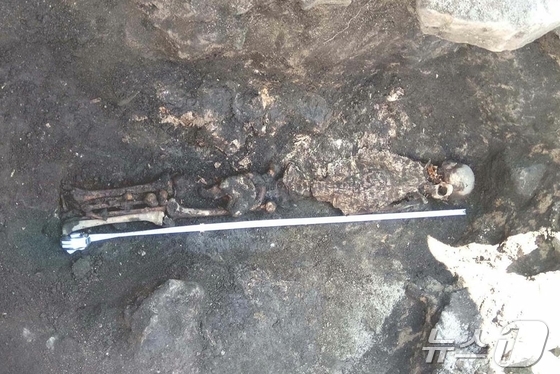
The state-run newspaper Rodong Sinmun reported on January 24 that the artifacts recently uncovered from a wide area surrounding Mount Paektu are graves from the Joseon feudal dynasty. These findings provide objective and substantial evidence that ancestors buried their remains in this area. The report also noted that a research group from Kim Il Sung University has intensified its investigation and excavation of historical sites in the Mount Paektu region.
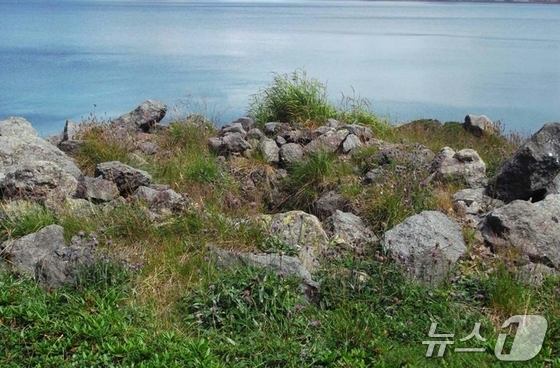
The investigation identified a total of nine graves: five near Mount Paektu’s crater lake and four in Yanggang Province’s Daehongdan County and North Hamgyong Province’s Musan County. These graves reportedly share similarities with those of Joseon people previously discovered on Samjiyeon Island.
After analyzing the distribution, structure, and burial practices, researchers explained that the method of wrapping remains in tree bark and covering the earth mound with stones is related to the Balhae dynasty’s burial style. This practice differs from the funeral customs of other ethnic groups.
A radiocarbon dating study, conducted jointly with Russia’s Novosibirsk State University, suggested that the individuals buried in these graves likely lived from the mid-18th to mid-19th centuries. North Korea claims this provides the first scientific confirmation that Joseon people residing in the Mount Paektu area during this period moved their ancestors’ remains for burial near the crater lake.
Radiocarbon dating is a scientific method that estimates the age of artifacts by analyzing the amount of radioactive carbon remaining in biological materials after death. This technique can determine ages ranging from hundreds to tens of thousands of years based on the radioactive carbon found in organic materials such as bones or wood.
According to the newspaper, the archaeological society concluded that the individuals buried in the graves excavated around Mount Paektu, Yanggang Province, and North Hamgyong Province are descendants of the Joseon (North Korean) people who continued the burial customs of the Balhae dynasty.
The report also emphasized that previous discoveries of altar relics from the Joseon feudal dynasty and artifacts related to the Daesong religion from the Japanese colonial period at Mount Paektu further confirm the historical significance of the mountain. These findings support North Korea’s claim that Mount Paektu has long been revered as a sacred mountain and considered their holy territory.
North Korea and Russia are strengthening their cooperation across various fields following the signing of a Comprehensive Strategic Partnership Treaty in June 2024.