As the 2026 Milano-Cortina d’Ampezzo Winter Olympics approaches, marking the start of a year packed with major sporting events, we’re now less than a week away from the opening ceremony.
This Winter Games, Italy’s first since hosting in Turin back in 2006, is set to welcome around 3,500 athletes from 93 nations across the globe.
While even countries from Africa and the Middle East – regions not typically associated with winter sports – will be sending delegations, North Korea will once again be absent from the Olympic stage.
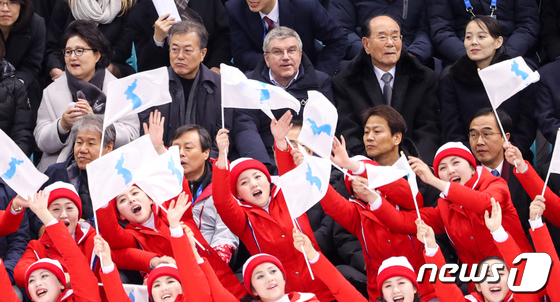
North Korea’s last Winter Olympics appearance was at the 2018 PyeongChang Games. That year, they made waves by not only sending athletes but also dispatching a large cheerleading squad.
In a show of unity, North and South Korea marched together under the Korea banner at the opening ceremony. They even fielded a joint women’s ice hockey team, competing under a unified flag – a powerful symbol of peace on the Korean Peninsula.
Despite sending their largest-ever contingent of 22 athletes across five sports, North Korea left PyeongChang empty-handed, underscoring the fierce competition at the Olympic level.
Their best showing came from figure skating pair Ryom Tae-ok and Kim Ju-sik, who placed 13th.
Since then, North Korea has been notably absent from the Winter Olympics.
After skipping the 2021 Tokyo Olympics, citing COVID-19 concerns, they faced suspension from the International Olympic Committee (IOC). This ban kept them out of the 2022 Beijing Winter Games.
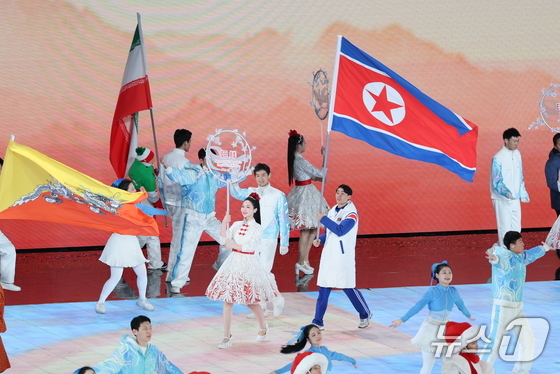
With their suspension lifted, North Korea made their return to international sports at the 2024 Paris Olympics. They also participated in last year’s Winter Asian Games in Harbin, China.
However, their hoped-for comeback to the Winter Olympics after an eight-year hiatus didn’t pan out.
The stumbling block? Lack of competitive edge. North Korea failed to qualify in figure skating, their strongest winter sport, dashing their Winter Olympic dreams.
Having missed two Winter Games due to sanctions and performance issues, North Korea’s next shot at Olympic winter glory will come in 2030, when the Games head to the French Alps.