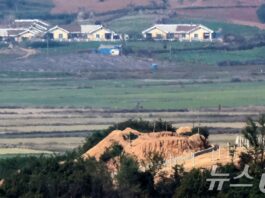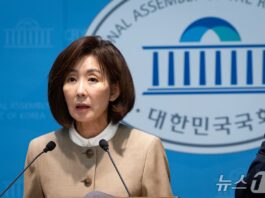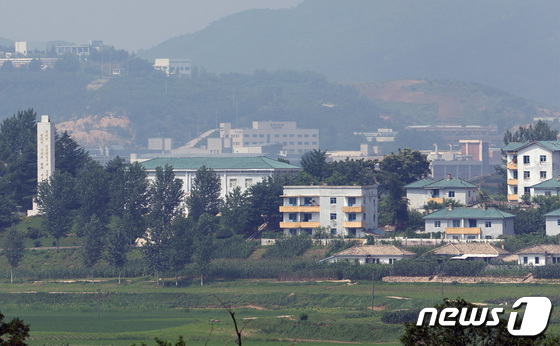
The reopening of the Kaesong Industrial Complex would significantly contribute to fostering a reconciliatory atmosphere between North and South Korea. Kim Ki-moon, the inaugural chairman of the Kaesong Industrial Complex Association and current president of the Korea Federation of Small and Medium Enterprises (SMEs), emphasized this need in a recent statement.
The Kaesong Industrial Complex, which was completely shut down in 2016, has remained inactive for 7 years. This prolonged closure has reignited calls from the small business sector for its reopening.
In a recent phone interview with News1, Chairman Kim remarked that the closure of the Kaesong Industrial Complex was a devastating blow to the companies operating there. The current administration’s efforts to restore inter-Korean relations are significant, and it earnestly hopes for progress. He added that while it’s disappointing that it hasn’t received a response from North Korea, the small business community continues to pursue private communication channels.
Chairman Kim also viewed positively the fact that a majority of the former resident companies have expressed willingness to return. He noted that its survey indicates that over 80% of these companies are eager to re-enter the complex. Simply restarting operations could help rebuild trust and create a reconciliatory atmosphere between the two Koreas.
The Kaesong Industrial Complex Association reports that out of the 124 companies that previously operated there, 76 (about 60%) are currently functioning normally within South Korea. Sadly, four out of ten companies have ceased operations due to financial difficulties and other challenges.
Despite these setbacks, the willingness to participate again remains high. A survey conducted by the Korea Federation of SMEs found that 80% of the companies that previously operated in the Kaesong Industrial Complex expressed their intent to return if operations resume.
The survey revealed that 87.2% of the former resident companies positively assessed the economic outcomes of the Kaesong Industrial Complex. In a broader survey of small manufacturing enterprises, 45.5% believed that inter-Korean economic cooperation would positively impact business growth and the South Korean economy. Furthermore, 36.0% of companies viewed North Korea’s investment environment as more favorable than those in emerging markets like China and Vietnam.
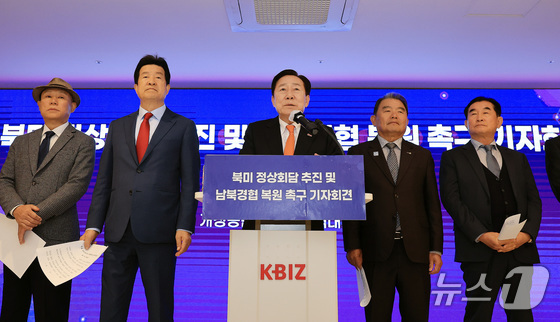
Industry experts highlighted several advantages of inter-Korean economic cooperation, including easier workforce acquisition, geographical proximity, linguistic and cultural similarities, and favorable resource procurement conditions. They believe that if the Kaesong Industrial Complex reopens, it could still serve as a significant alternative in terms of price competitiveness and production stability.
An industry representative stated that given the increased burden on small manufacturers due to U.S. tariffs and low-cost competition, inter-Korean economic cooperation could provide a much-needed breakthrough. It’s also a crucial step towards revitalizing its manufacturing base and promoting a peaceful economy on the Korean Peninsula.