

North Korean leader Kim Jong Un’s financial management has undergone a significant change. On Wednesday, it was revealed that the head of Room 39, a secretive organization responsible for managing the ruling funds and slush funds of North Korea’s Workers’ Party, has been replaced. This information comes from an analysis of appointments made during the recent 9th Workers’ Party Congress.
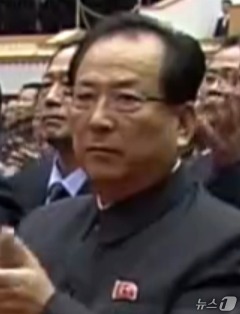
The newly released list of Central Committee members and candidate members notably excludes Shin Ryong-man, who has led Room 39 for the past nine years. In North Korea’s power structure, the head of Room 39 typically holds a position on the Central Committee, making Shin’s absence a clear indication of his departure.
Shin became the fourth director of Room 39 in October 2017, succeeding Jon Il-chun. Like his predecessor, Shin had a long history within the organization. Room 39, which manages the supreme leader’s funds, requires personnel with unquestionable loyalty and extensive experience. As a result, it remains a highly secretive entity, with most of its staff’s activities unknown until they reach leadership positions.
During his tenure, Shin oversaw the special funding system for regime operations, foreign currency procurement, and luxury goods supply. His departure from this crucial position after nearly a decade coincides with the 9th Party Congress.
Some analysts suggest that this reshuffle may also indicate the removal of Kim Yong-soo, who headed the Party’s Finance and Management Department. This has led to speculation that the core financial management team of the Workers’ Party may have faced disciplinary action.
However, the prevailing view is that Shin’s exit is part of a broader generational shift within North Korea’s leadership. This transition is evident in the removal of other high-ranking officials, such as Choe Ryung-hae, Chairman of the Standing Committee of the Supreme People’s Assembly, and Ri Byong-chol, the Party’s senior military policy advisor.
Room 39 has been a key institution in maintaining the Kim family’s regime since its establishment in the mid-1970s. Its leadership has passed from Choi Bok-man to Kim Dong-un, then to Jon, and most recently to Shin. The organization has typically promoted from within, creating a tradition of internal succession.
While North Korea has not publicly announced Shin’s successor, Han Sang-man, newly listed as a candidate member of the Central Committee, is considered a potential replacement. Han is believed to have quietly built his career within Room 39, as there is little public information about his past activities. North Korea has never officially announced appointments to Room 39, so official confirmation of the new leader will require intelligence from government authorities.
The change in Room 39’s leadership comes at a critical time, as prolonged international sanctions and expanding cooperation with Russia have heightened the importance of securing foreign currency and managing special finances. This transition may signal potential shifts in North Korea’s financial strategies in the coming years.