As tensions escalate between Israel and Iran, all eyes are on North Korea’s potential moves to leverage the shifting global landscape for its foreign strategy, particularly on March 8. With U.S. diplomatic and military resources stretched thin across the Middle East, Pyongyang is not only ramping up its anti-American rhetoric but also seeking new strategic openings in managing the Korean Peninsula situation.
The Middle East conflict is seen as a significant factor increasing America’s strategic burden. The U.S. now faces the daunting task of simultaneously managing responses to the Ukraine war, bolstering security cooperation in the Indo-Pacific region, and addressing the ongoing Middle East crisis. Analysts suggest that with security issues flaring up concurrently in multiple theaters, Washington’s diplomatic focus and policy priorities regarding the Korean Peninsula may take a back seat.
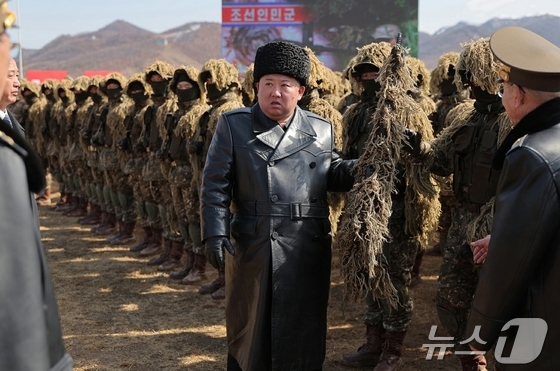
This geopolitical environment could provide North Korea with increased flexibility to adjust its military activities and strategic messaging. As the international stage becomes more complex, there’s a higher likelihood that Pyongyang will assert its presence through provocative actions, such as missile tests, or attempt to boost its negotiating power. Indeed, North Korea has recently maintained its military activities, including launches of short-range ballistic missiles, while consistently broadcasting messages to the international community.
Pyongyang has also been quick to capitalize on the Middle East situation in its diplomatic rhetoric. In a recent statement, the North Korean Foreign Ministry declared that the military attacks launched by Israel against Iran, with active U.S. support and protection, constitute a blatantly illegal act of aggression and the most egregious violation of sovereignty. The regime further condemned U.S. and Israeli military actions as rogue behavior aimed at fulfilling hegemonic ambitions, squarely blaming the U.S. for heightened tensions in the Middle East.
This rhetoric serves a dual purpose: reinforcing North Korea’s anti-U.S. messaging while also highlighting its political alignment with other anti-American nations on the global stage. Historically, North Korea has seized upon U.S. military actions or international conflicts to amplify its anti-American diplomatic messaging.
Yang Moo-jin, a distinguished professor at the University of North Korean Studies, observed that North Korea’s statements align with China and Russia’s condemnation of the U.S., while also factoring in North Korea-Iran relations. However, the absence of overt emphasis on anti-imperialist solidarity suggests that Pyongyang intends to maintain a wait-and-see approach and practice equidistant diplomacy for the time being.
Notably, North Korea has refrained from issuing any official statement regarding Iranian Supreme Leader Ayatollah Ali Khamenei, who is reported to have been killed in the recent airstrikes. While maintaining its fundamental anti-U.S. stance on the Middle East situation, Pyongyang appears to be treading carefully when it comes to addressing specific incidents or the deaths of particular leaders.
A protracted conflict in the Middle East could have significant implications for the Korean Peninsula. As the global security landscape grows increasingly complex, North Korea may seek to demonstrate its relevance through military activities or by fine-tuning its strategic messaging. However, experts predict that Pyongyang is unlikely to directly intervene or engage militarily in the Middle East, instead opting to leverage the situation for diplomatic posturing and strategic maneuvering.