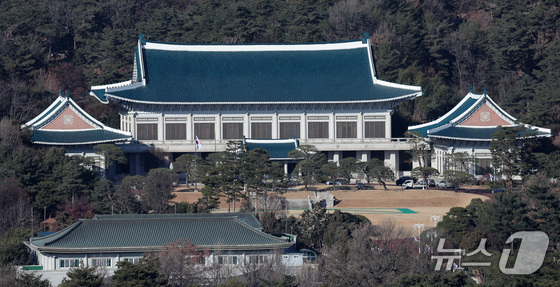
The Blue House expressed regret on Wednesday regarding North Korean First Vice Foreign Minister and Director of the 10th Bureau Jang Geum-chol’s denunciation of South Korea as the most hostile adversary state. The Blue House stated that such criticism and insulting language do not contribute to peace and stability on the Korean Peninsula.
In response to inquiries about Jang’s statement, the Blue House clarified that the government will continue its efforts towards peaceful coexistence on the Korean Peninsula based on mutual respect, and expressed hope for North Korea’s cooperation.
Previously, on Tuesday evening, Director Jang issued a statement titled, The identity of South Korea as the most hostile adversary state cannot change. This statement refuted the South Korean government’s interpretation of Kim Yo-jong’s recent remarks as a response to President Lee Jae Myung’s expression of regret over the drone incident.
Director Jang harshly criticized various analyses from South Korean circles, including the Blue House, calling them truly absurd. He warned that if South Korea interprets the North’s swift reaction as an unusually friendly response or a rapid mutual confirmation between leaders, it would be recorded as a wishful interpretation by foolish idiots that surprises the world.