Wednesday, April 22, 2026

NIGHT OF THE LIVING DEAD: Pentagon Tracks Kim’s Ghost Army Preparing For A Global Bloodbath!

North Korea held a military parade for the Workers' Party Congress, with U.S. intelligence monitoring the event and troop details.

Oil Prices Surge Over 2%: What Trump’s Failed Military Request Means for Asia

Oil prices rebound as allies reject Trump's military request for the Strait of Hormuz, with WTI rising 2.31% to $95.65 per barrel.

KPop Demon Hunters: Netflix’s Oscar Nominations for Best Animated Feature and Original Song Revealed!

Netflix's animated series KPop Demon Hunters earns two Oscar nominations, while Park Chan-wook's No Other Choice misses out.

North Korea Faces Severe Drought: How Will It Impact Agriculture in 2026?

NorthKoreaNorth Korea Faces Severe Drought: How Will It Impact Agriculture in 2026?
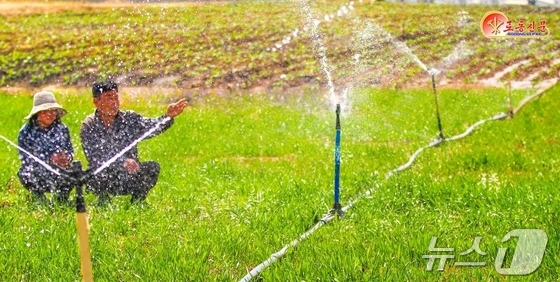
On April 19, Rodong Sinmun, the official newspaper of North Korea’s Workers’ Party, reported that the Songsin Vegetable Farm in Sadong District is thoroughly implementing measures to prevent drought damage / Rodong Sinmun

North Korea has emphasized the need to minimize damage to its agricultural sector as drought conditions worsen due to insufficient spring rainfall.

On April 19, the ruling party’s official newspaper Rodong Sinmun reported, citing the Meteorological and Hydrological Bureau, that nationwide rainfall has remained extremely low so far this year.

According to the newspaper, the average nationwide rainfall in March was about 10mm (0.39 inches), significantly below normal levels, leading to severe drought conditions. April showed a slight improvement in early days with 14.3mm (0.56 inches) of rainfall, but since the 11th, precipitation has dropped to just 0.4mm (0.02 inches), indicating virtually no rain.

North Korea forecasts no rain for about another week, with daytime high temperatures continuing to rise, causing drought to persist in most regions. Consequently, officials stressed the need to enhance water management and irrigation measures to minimize agricultural damage.

Analysts interpret North Korea’s early mention of drought concerns this spring as an effort to proactively manage potential disruptions to agricultural production. The lack of rainfall during this critical period could directly impact farming schedules, such as rice planting, and may pose future challenges for food security in the country.

Check Out Our Content

Check Out Other Tags:

Most Popular Articles