

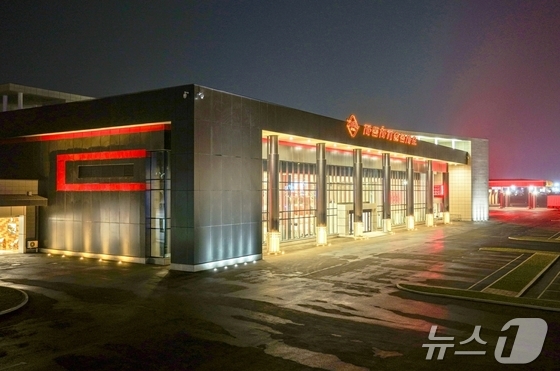
On May 2, it was reported that North Korea has announced plans to revise its vehicle registration, operation, and management standards to accommodate the growing ownership of personal cars.
Experts believe this move is aimed at establishing a national system to oversee the expansion of private vehicle ownership.
According to multiple sources familiar with North Korean affairs, the authorities recently issued a comprehensive management notice outlining registration procedures, operational approvals, and regular inspections for both personal and institutional vehicles. The notice reportedly includes a requirement for periodic safety inspections even after initial registration.
North Korea has been expanding personal vehicle ownership for about two years. While most vehicles were previously state-owned, making management relatively straightforward, the increase in private ownership has necessitated a shift towards mandatory self-management.
Vehicle owners are now required to undergo mandatory safety inspections at regular intervals and are subject to ongoing operational checks.
One North Korea observer noted that in major cities like Pyongyang, there’s a growing emphasis on vehicle appearance. Authorities are scrutinizing the cleanliness of vehicles entering the capital and have implemented regulations to restrict poorly maintained cars from operating.
This creates an environment where even privately owned vehicles can be subject to state control if they fall into disrepair.
While North Korean law technically allowed for individual vehicle ownership in the past, the reality was that car owners had to register their vehicles under their affiliated institutions, effectively negating true personal ownership. However, as demand for personal vehicles has surged in urban areas, the North Korean government has amended laws to legally guarantee complete private ownership of cars.
This move appears to be coupled with the establishment of a strict management system, likely aimed at preventing the unchecked expansion of private property. Analysts speculate that this approach is a response to past issues where individuals, known as money lords, amassed significant wealth and influence through illicit means during state-sponsored initiatives.
Sources indicate that some residents now say that the moment you register a car, you become a subject of control. Additionally, reports suggest that North Korean authorities have tightened regulations on motorcycle operation as well.