North Korean authorities are intensifying ideological controls in the border city of Kaesong, with a local prosecutor calling for stronger legal action against what he described as “unsound and alien phenomena,” including luxury lifestyles, drug crimes and other behavior linked to bourgeois culture.
According to the February 2026 issue of the Workers magazine obtained by News1, Ju Won-gyun, chief prosecutor of the Kaesong City Prosecutor’s Office, published an article titled “The Intensity of Legal Struggle Against Unsound and Alien Phenomena Must Be Raised,” urging vigilance against ideological and cultural influences viewed as threats to the socialist system.
Ju argued that excessive luxury, decadence, violent crimes such as murder and robbery, and drug-related offenses are fundamentally contrary to human nature and aspirations, claiming that such behavior originates from bourgeois ideology and culture.
He further asserted that “imperialists” continue to promote Western ideas, culture and values through long-term and multidimensional ideological and cultural infiltration campaigns aimed at other countries.
“In this context, the various negative phenomena occurring around us cannot be viewed as the result of temporary hardships or accidental circumstances,” Ju wrote. “Only by firmly wielding state and people’s laws as a powerful weapon of class struggle and conducting an uncompromising fight against such phenomena can social stability and sustained development be achieved.”
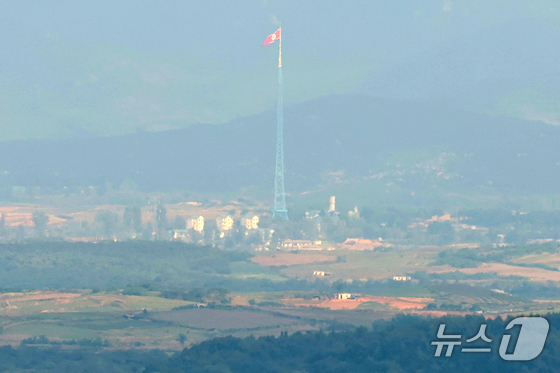
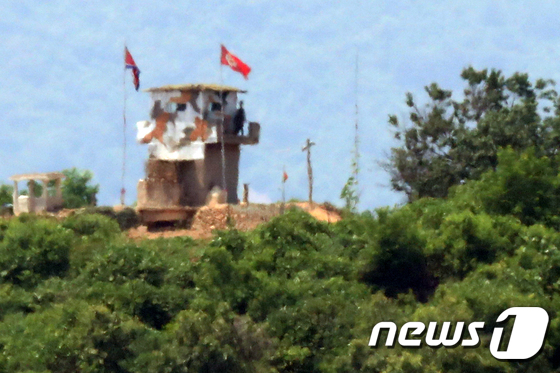
He added that the Kaesong City Prosecutor’s Office is carrying out an intensified legal campaign to prevent foreign cultural influences from penetrating society, citing the city’s role along what he described as the southern border facing the United States and South Korea.
Observers note that similar messages have increasingly appeared in writings by officials from North Korea’s border regions.
In a December 2025 issue of Workers, an unidentified official believed to be affiliated with Kaesong’s public security bureau published an article emphasizing the need to combat anti-socialist behavior. In an October 2025 issue, the chief prosecutor of Kangwon Province warned against the infiltration of reactionary ideology and culture.
Both Kaesong and Kangwon Province border South Korea and are considered strategically sensitive regions for Pyongyang, not only because of military concerns but also because of the potential flow of outside information. The areas are located near the Military Demarcation Line, making them particularly vulnerable, in the government’s view, to foreign media and information entering the country.
Kaesong holds additional symbolic significance as the former site of the Kaesong Industrial Complex, once a major inter-Korean economic cooperation project. Because residents and officials there had greater exposure to South Korean counterparts than most North Koreans, the city remains a focal point for ideological management.
Recent official writings have repeatedly referred to the United States and South Korea as North Korea’s “unchanging principal enemies” and emphasized the importance of guarding the “southern border.” Analysts say the rhetoric suggests Pyongyang views the Kaesong region as both a military and ideological frontline.
Some observers believe North Korean authorities are paying particular attention to the ideological attitudes of residents in border regions. Memories of past inter-Korean exchanges remain in Kaesong, while the area’s location also makes it more susceptible to external information delivered through leaflets, digital storage devices and other channels.
As a result, analysts say Pyongyang appears to be strengthening ideological control by expanding anti-socialist and anti-reactionary campaigns through prosecutors, security officials and other state institutions, while embedding those efforts more deeply into legal and regulatory frameworks.