

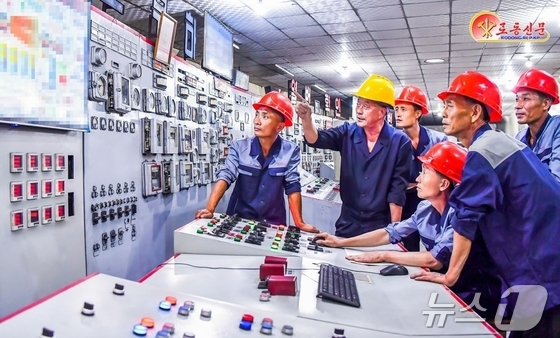
Recently, Kim Jong Un, the General Secretary of North Korea’s Workers’ Party, emphasized the modernization of the coal industry during a plenary meeting focused on the first half of the year. Intelligence reports confirm that North Korea has been preparing for the modernization of its coal sector since early this year.
On Monday, Kang Young-jun, the Deputy Secretary of the National Planning Commission, highlighted the improvement of miners’ working conditions and living standards as key initiatives in an article published in the party’s official newspaper, Rodong Sinmun, in its first issue of 2026 (released in January).
Kang specifically called for ensuring the necessary resources for improving living conditions and establishing practical production measures. Analysts suggest that this closely aligns with the decisions made during the Workers’ Party plenary meeting held from June 20 to 22.
In the meeting’s resolution, North Korea identified the modernization of the coal industry as a primary task alongside traditional heavy industries such as metals, electricity, and railroads. They did not merely encourage increased production but outlined specific tasks to enhance production infrastructure, facilities, and workers’ living conditions.
In his article, Kang emphasized that national measures have been taken to ensure equipment, materials, and supplies in line with the party’s intent to focus capabilities on the coal industry. He added that it is crucial to mobilize the reserves and potential to secure equipment and materials that can provide tangible assistance for coal production.
Consequently, he stated that each coal mine should receive equipment and components, such as drilling machines and preparatory coal storage, to increase tunneling speed. He also urged for substantial efforts to enhance transportation capabilities by providing loaders, conveyor belts, coal cars, and bearings to strengthen the material and technical foundation of the mines.
Furthermore, he stressed the importance of devising practical measures to aid miners’ lives, including tools like saws and hammers, as well as safety gear such as helmets, boots, and gloves.
The mention of the need for modernization in the coal sector and its details in the Rodong Sinmun article published before the second plenary meeting of the ninth session illustrates the decision-making structure of the Kim regime. Major decisions by the Party Central undergo extensive discussions before finalization. This process indicates that after establishing a comprehensive understanding of the situation and planning initiatives, the Supreme Leader directly announces them, naturally establishing priorities for these projects.
Given that coal is a vital energy source for North Korea’s power production and heavy industry operations, there seems to be an intention to fundamentally reform the coal sector to positively impact overall economic performance. Simultaneously, analysts believe that the application of the housing construction projects conducted nationwide over the past five years to the coal sector aims to boost miners’ morale.