North Korea has rapidly expanded its smartphone-based electronic payment system beyond Pyongyang to cities and counties across the country, with the network supporting digital wallet deposits growing more than threefold over the past three years.
The expansion has been accompanied by an increase in foreign currency deposit services and automated teller machines (ATMs), a trend analysts say reflects the government’s efforts to strengthen economic oversight while capturing more foreign currency circulating in the domestic economy.
According to an analysis by NK Tech Lab, a project affiliated with the U.S.-based North Korea research outlet 38 North, the number of authorized locations where users can add funds to Samhung, one of North Korea’s leading digital wallet platforms, increased from roughly 200 at the end of 2022 to more than 700 by early 2025.
In Pyongyang, the number of participating locations grew from 149 to 576, while locations outside the capital increased from 74 to 133. Researchers found that since 2024, the payment network has expanded rapidly into county-level jurisdictions across the country.
According to 38 North, every county in North Hwanghae Province and Ryanggang Province, as well as every district in Nampo, had access to the service by 2025. Deployment has been slower in some regions, including North Hamgyong Province, but the overall nationwide expansion is evident.
North Korea’s electronic payment sector has expanded rapidly since the country enacted its Electronic Payment Law in 2021. Researchers estimate that at least seven digital payment platforms are now in operation, including Samhung, Manmulsang, Huinnun, Jongsong, Narae, Saebyeol, and Apnal.
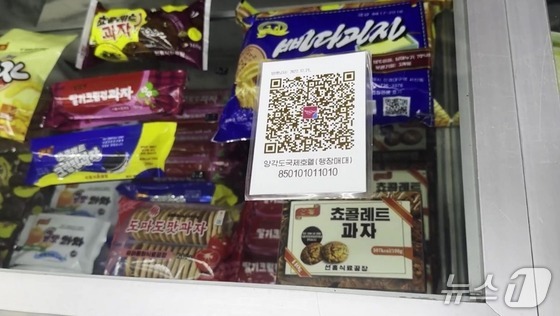
Videos released by foreign visitors who traveled to Pyongyang over the past two years show QR code payments being used not only in department stores but also at traditional markets and street vendors.
According to 38 North, Pyongyang’s primary objective in expanding digital payments is to build a more structured and transparent economic management system.
Electronic transactions allow authorities to monitor commercial activity and pricing more efficiently while improving tax collection. Although the system could also be used to monitor citizens’ economic activity, researchers said its primary purpose appears to be improving economic efficiency and increasing access to foreign currency.
The report highlighted that digital wallets can hold both North Korean won and foreign currencies. When users deposit foreign currency such as U.S. dollars into their digital wallets, the government retains the physical cash while issuing users an electronic foreign currency balance.
Researchers said the system is likely intended to absorb as much foreign currency as possible from circulation.
As of 2025, 102 Samhung service locations operated ATMs dedicated exclusively to foreign currency transactions, while 266 handled both North Korean won and foreign currencies.
ATM deployment has also accelerated. According to the report, the number of ATMs operated by Hwawon Electronic Bank has increased from approximately 15 at the end of last year to at least 40.
38 North concluded that North Korean authorities are using the nationwide expansion of electronic payment platforms to improve economic efficiency while simultaneously strengthening price controls, tax collection, and foreign currency accumulation.