

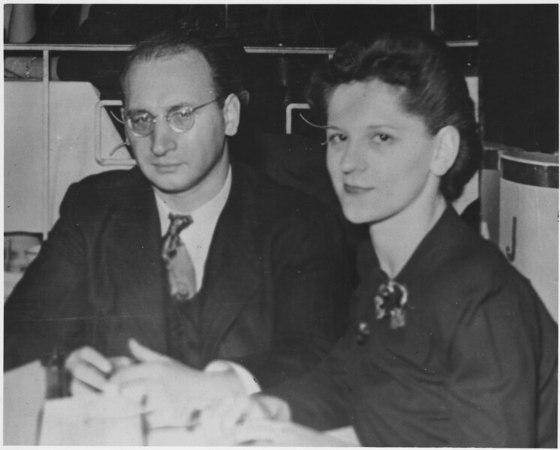
On June 19, 1953, Julius and Ethel Rosenberg were executed in the electric chair at Sing Sing Prison in New York. The couple was convicted of espionage for providing nuclear secrets to the Soviet Union.
In the aftermath of World War II, the United States and the Soviet Union entered the Cold War era. The Soviet Union’s successful nuclear test in 1949 and China’s turn to communism ignited widespread fear and suspicion across America. This climate gave rise to Senator Joseph McCarthy’s aggressive anti-communist campaign, known as McCarthyism.
During this period, those suspected of communist sympathies faced job loss and social ostracism. The Rosenberg case emerged at the peak of McCarthyism. Julius, an electrical engineer, and Ethel, a housewife, had both been involved in communist activities, but concrete evidence of espionage was scarce.
The investigation into the Rosenbergs was triggered by testimony from Ethel’s brother, David Greenglass. As a technician involved in the Manhattan Project, he claimed to have passed nuclear secrets to the couple. However, his testimony was inconsistent, and later allegations suggested he had fabricated evidence to reduce his sentence.
Prosecutors argued that the Rosenbergs had played a pivotal role in the Soviet Union’s atomic bomb development by transmitting U.S. nuclear secrets. In 1951, the couple was found guilty and sentenced to death, an unprecedented punishment for espionage at the time.
The Rosenbergs’ death sentence sparked global outrage. Prominent intellectuals worldwide, including Jean-Paul Sartre and Albert Camus from France, and Bertrand Russell from the UK, along with Pope Pius XII, pleaded for clemency. However, President Dwight D. Eisenhower rejected these appeals, asserting that the execution was crucial to safeguarding American freedoms. Ultimately, the Rosenbergs met their fate in the electric chair, marking a controversial chapter in Cold War history.