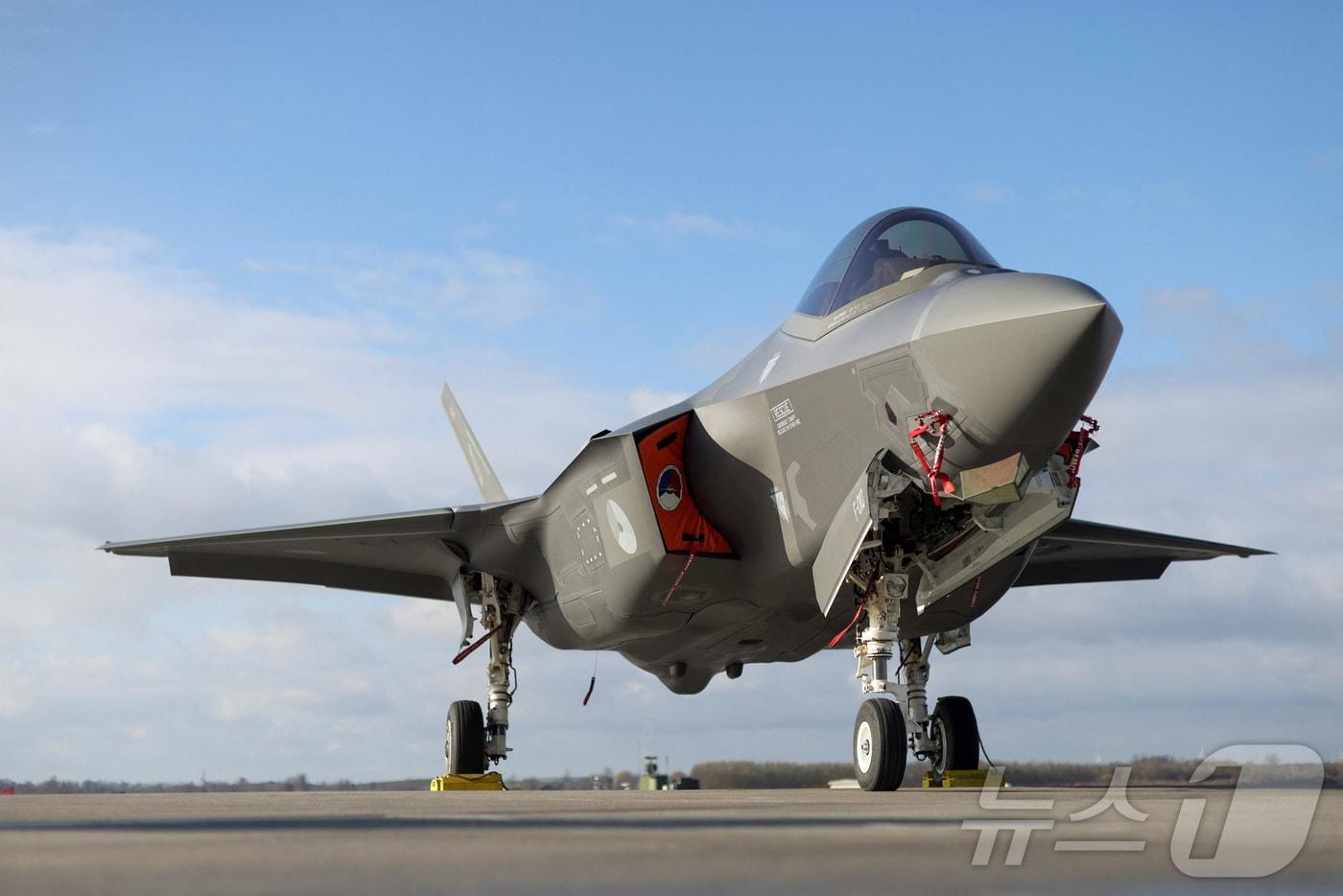
Recent reports suggest that the latest batch of U.S. F-35 fighter jets is being delivered to the Air Force without radar systems. This means these cutting-edge stealth fighters are currently lacking their crucial eyes needed for operational activities.
On February 11, military news outlet The War Zone (TWZ) reported that the U.S. Air Force is receiving new F-35 fighters without the next-generation AN/APG-85 Active Electronically Scanned Array (AESA) radar installed.
The Air Force had anticipated receiving Block 4 F-35 jets equipped with the AN/APG-85 radar starting last year. This upgraded radar, which isn’t included in F-35s sold through Foreign Military Sales (FMS), is considered a key component of the Block 4 upgrade program aimed at enhancing the F-35’s capabilities.
Earlier this month, Defense Daily cited sources claiming that Lockheed Martin Corporation has been delivering F-35A jets without the planned next-generation AN/APG-85 radar since June of last year.
According to sources, the absence of radar necessitates adding ballast to the nose to maintain the aircraft’s balance during flight. These radar-less F-35s can only operate when accompanied by other F-35s equipped with the APG-81 radar and linked via data networks.
TWZ speculates that while aircraft production was completed, delays in the AN/APG-85 development, which began in 2023, led to this situation.
These new aircraft have radar bays designed specifically for the AN/APG-85, making them incompatible with the existing AN/APG-81 radar. Adapting the jets to accommodate both radar systems would require a redesign of the forward fuselage, a process estimated to take at least two years.
The U.S. Air Force, however, has refuted claims that new F-35 jets are being delivered without radar. An Air Force spokesperson informed TWZ that F-35A aircraft from Lot 17 are being delivered with the existing AN/APG-81 radar installed.
The spokesperson added that they are collaborating with the F-35 Joint Program Office (JPO) to deliver aircraft equipped with the next-generation AN/APG-85 radar. However, specific modernization plans, performance details, and schedules remain classified for security reasons.
The Air Force had initially aimed to start receiving F-35s with completed Block 4 upgrades this year. The F-35 program has faced persistent cost increases and delivery delays over the years while undergoing Block 4 performance enhancements.
The U.S. Government Accountability Office (GAO) reports that while the plan has been revised to prioritize certain aspects of the Block 4 upgrade package, even this adjusted timeline has been delayed by at least five years. Moreover, costs have surged by over 6 billion USD compared to initial projections.