

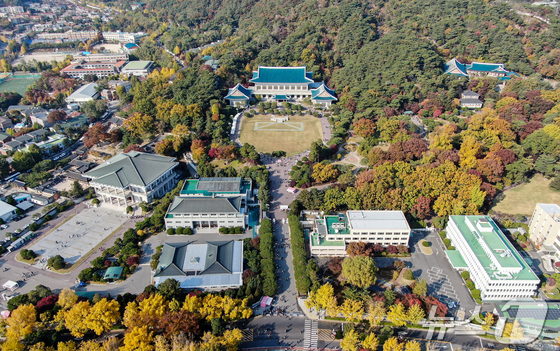
On Friday, the White House addressed the Donald Trump administration’s imposition of forced labor tariffs on 60 countries, including South Korea, based on Section 301 of the Trade Act. They emphasized that both nations agree on the need to uphold the existing tariff agreement. The White House stated they would work closely with U.S. officials to ensure the mutually agreed-upon 15% rate is maintained.
A White House spokesperson announced through a press release that it plans to engage in close consultations with the U.S. to uphold the 15% rate agreed upon by both countries, including ongoing investigations into supply overcapacity under Section 301.
Regarding South Korea’s effective inclusion in the 12.5% forced labor tariff category, the official explained that these Section 301 tariffs on forced labor have been imposed on 60 major countries based on their legislative status concerning the prohibition of imports produced by forced labor.
Section 301 of the Trade Act empowers the U.S. administration to implement retaliatory measures, such as tariffs, against foreign governments for unfair or discriminatory trade practices. South Korea is currently under investigation in both forced labor and structural overproduction sectors, with the decision on additional tariffs for structural overproduction still pending.
On Thursday, the U.S. Trade Representative (USTR) finalized its decision to impose additional tariffs on products made with forced labor under Section 301. The measure affects 60 countries, with a 10% tariff for those that have banned forced labor imports and 12.5% for those that have not.
South Korea, having not implemented such prohibitions, faces the highest tariff rate of 12.5%.
These tariffs took effect at 12:01 a.m. (Eastern Time) on Friday. This action replaces the previous 10% global tariff based on Section 122 of the Trade Act, which the Trump administration introduced after the Supreme Court ruled the mutual tariffs on various countries unlawful in February.
The U.S. government also confirmed an ongoing Section 301 investigation into overproduction capacity, noting that this requires extensive research and analysis.
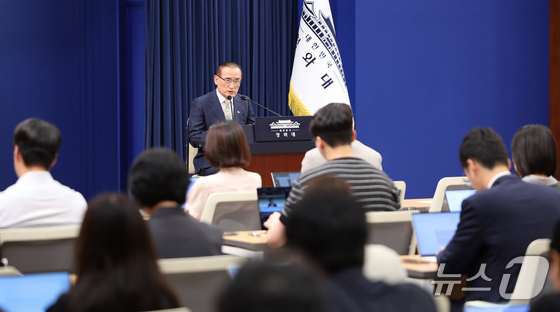
On Wednesday, National Security Advisor Wi Seong-lac acknowledged the possibility of additional Section 301 tariffs from the U.S. government but assured that they would not exceed the levels agreed upon in existing Korea-U.S. tariff negotiations.
During a press briefing at the White House, Wi stated that the Section 301 issue fundamentally relates to forced labor and overproduction, which is open to interpretation. It could involve Section 301, other provisions, or additional tariffs.
He emphasized that the understanding is that even if Section 301 measures are implemented, they will not exceed the significant rates already agreed upon between South Korea and the U.S.
Wi added that given that the U.S. has recently invoked provisions not applicable in another court regarding tariffs on Canada, there could be movements for additional tariffs. However, it’s in consultation with the U.S. and providing data and explanations.