Will robots steal our jobs?
This question echoed throughout the Consumer Electronics Show (CES) 2026, from its opening to its closing. Visitors easily spotted humanoid robots dancing and boxing as they explored the exhibition halls. The most crowded booths all featured humanoids, with spectators cheering and applauding these mechanical marvels as they danced and threw punches.
This year’s CES drove home one clear point: humanoid robots are no longer confined to science fiction but have become a tangible reality in industrial settings. With these robots nimbly navigating truck chassis, hefting heavy components, and traversing complex environments with human-like gait, the pace of technological transformation in industry has hit warp speed.
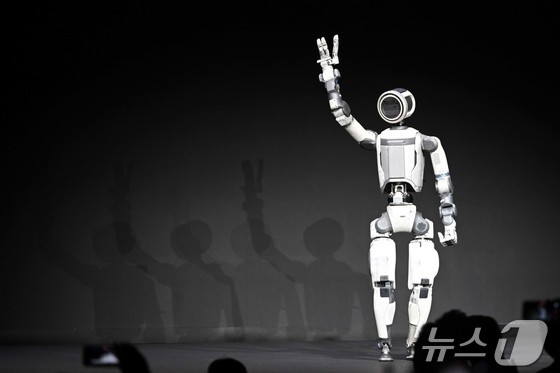
Each unveiling of Atlas walking, lifting, and moving sparked concerns about robots replacing humans and eliminating jobs. However, developers were quick to emphasize that robots aren’t meant to replace humans, but to amplify human potential.
Robots aren’t job killers; they’re job transformers. When robots take over unskilled, high-risk, and repetitive tasks, humans can pivot to roles that generate higher value. This mirrors the structural shifts we’ve seen throughout past industrial revolutions and waves of automation.
Jae-hoon Chung, Vice Chairman of Hyundai Motor Group, explained that they are not looking at robots as labor replacements, but as tools to boost labor’s value. When robots handle mundane, repetitive, or dangerous tasks that people avoid, overall productivity soars.
This succinctly captures what’s actually happening on factory floors. As young workers shun manufacturing, the workforce ages, and fewer people sign up for high-risk jobs, robots are stepping in not to replace, but to complement human workers.
The numbers back this up. At Hyundai Motor Group’s Meta Plant America (HMGeneral MotorsA), 290 logistics robots are already hard at work. These mechanical helpers handle tasks like transport, movement, and placement – jobs that are tough or monotonous for humans. The result? A 20% boost in overall efficiency. When robots take on the dangerous jobs, they become a safety net for their human colleagues.
Looking ahead, we’re on the cusp of an era where humans and robots will coexist in our daily lives. Robert Playter, Chief Executive Officer (CEO) of Boston Dynamics, predicts robots will expand into caregiving and service roles within the next decade.
The million-dollar question is: Is our society ready for this sea change? While industries are already building collaborative human-robot work models, policymakers are struggling to keep pace, and public anxiety about robot-driven job losses remains high.
What we need now isn’t fear of technology, but preparation for coexistence. Dragging our feet on adopting these technologies could leave us in the dust. We need to develop standards and regulations for human-robot workplaces, create training programs for robot operators and managers, and craft industry transition strategies that leverage human-robot collaboration.
The robot revolution is unstoppable. With this technology knocking at our door, it’s up to society to decide how to welcome it in.