
Hey Meta, please translate this notice.
It says Open for business in French. We’ve entered an era where you can ask artificial intelligence (AI) questions just by wearing smart glasses, no smartphone needed. The AI’s voice is audible only to you, even without earbuds. You can find information hands-free, using just your voice. The only downside? You might look like you’re talking to yourself.
Meta officially launched two AI glasses models in Korea on May 25: the Ray-Ban Meta 2nd Generation and Oakley Meta, developed with global eyewear giant EssilorLuxottica.
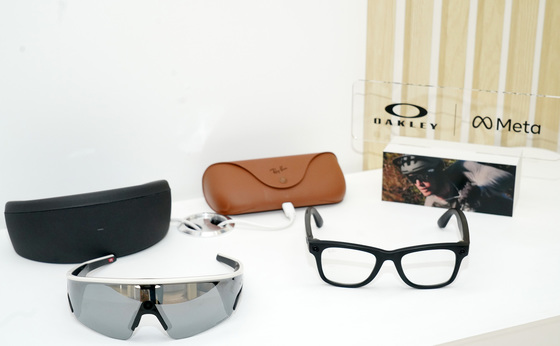
The Meta AI glasses look like ordinary sunglasses or goggles. They feel natural enough for everyday wear. While slightly heavier than regular shades, I had no trouble wearing them for long periods or keeping my eyes on the road.
The game-changer is the AI functionality. Meta AI glasses work with an AI assistant powered by Meta’s large language model, Muse Spark, syncing with the Meta AI app.
After donning the glasses, just say “Hey Meta.” The frame-mounted camera recognizes objects, the AI analyzes them, and you get answers through a built-in speaker. You can ask questions, snap photos, and search for info – all hands-free.
There’s no display function, though, and only one wake word for the AI.
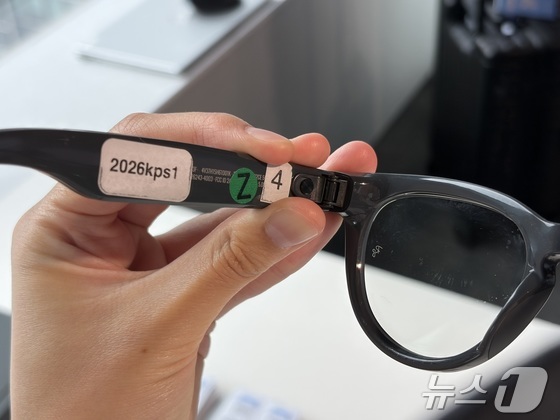
The coolest feature? Chatting with AI while looking around. Muse Spark’s multimodal prowess lets it analyze what you’re seeing in real-time and respond accordingly.
I looked at a book and asked about its content; it summed up the author and plot. Eyeing a melon on my desk, I inquired about its glycemic index. The AI recognized the fruit and explained how it affects blood sugar levels during digestion.
Responses come through open-ear speakers in the temples. It’s Bluetooth, so no earbuds needed. You’ll hear clearly without totally blocking ambient sound, and others nearby won’t eavesdrop.
Adjust volume by swiping the right temple.
It even recommends outfits. I showed it my shoes and asked for matching clothes. It noted the shoe color and type, then suggested complementary tops. All this happened through voice chat, no phone required.
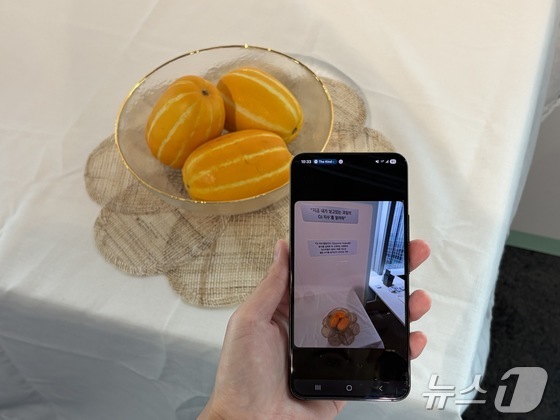
While AI chats need the Meta AI app running, you can take photos and videos without it.
I said, “Take a picture,” and it snapped the melon in front of me. Photos are instantly saved to your phone gallery via Bluetooth.
All models sport a 12-megapixel ultra-wide camera, capturing 3K resolution, ultra high definition (HD) quality photos and videos.
Addressing privacy concerns, Meta added a front light-emitting diode (LED) that lights up when the camera’s in use.

I also tried out the beta real-time translation feature.
Using Meta AI, I chatted with an English speaker in our native tongues. The AI translated English to Korean for me and vice versa for them. There was a slight 3-second lag, but translations were spot-on.
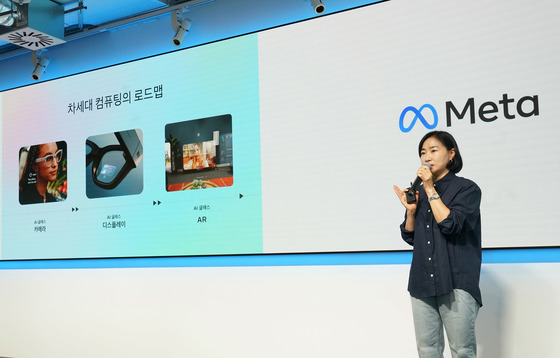
Meta AI glasses now support nine languages: English, French, German, Spanish, Italian, Portuguese, Korean, Japanese, and Dutch.
Being newly launched in Korea, there were some hiccups with Korean command recognition and responses that need ironing out.
Kim Jin-ah, Meta Korea’s representative, said that Meta aims to offer personalized super-intelligent AI experiences for everyone through these glasses. They’re not just question-answerers; they’re smart assistants that deeply understand users, anticipate needs based on goals and interests, and proactively tackle tasks.