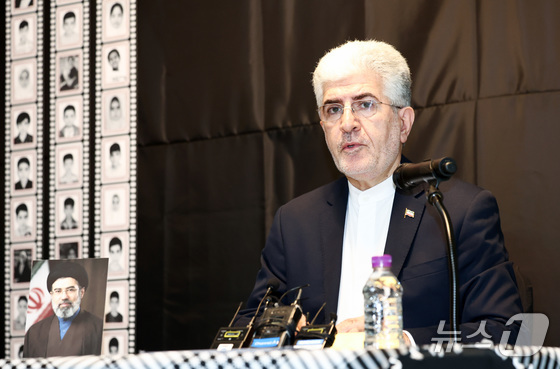
Iran’s ambassador addressed the issue of vessel navigation through the Strait of Hormuz on June 26, stating that South Korea is considered a non-hostile country and expressing hope that it would continue to abstain from agreements with the United States.
The ambassador assured that no safety concerns have arisen for ships or crew members currently in the strait, adding that both countries’ foreign ministries and embassies are maintaining open communication regarding vessel transit. Currently, 26 ships and 178 crew members remain in limbo, awaiting clearance to pass through the strait.
The ambassador noted that passage through the Strait of Hormuz requires prior coordination with the Iranian government and that Iran has already requested a comprehensive list of vessels and specific details. The statement signals a potential willingness to extend cooperation to non-hostile nations.
On July 24, major international media reported that Iran had sent an official letter to the UN Security Council and the International Maritime Organization stating it would only permit vessels from non-hostile nations to traverse the strait. Iran clarified that ships from countries participating in aggression against it would not qualify, with decisions contingent on the level of cooperation with the U.S.
The ambassador’s emphasis on prior coordination and information requests is widely seen as a strategic move to discourage alignment with U.S. diplomatic initiatives aimed at resuming normal passage through the strait.
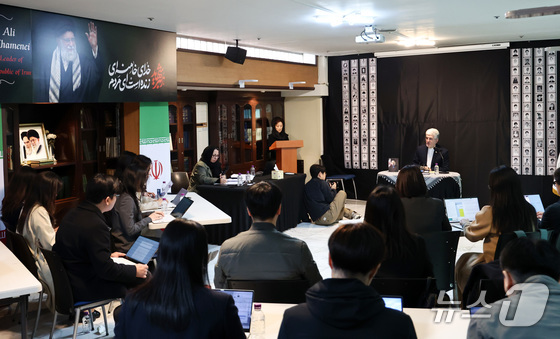
The ambassador noted that recent dialogue between the two countries’ foreign ministers addressed ship-related issues, with ongoing cooperation continuing between their respective embassies. He expressed optimism that both nations would swiftly reach an agreement to facilitate the exit of vessels currently stranded in the strait.
When asked about the duration of the blockade, the ambassador said the situation cannot revert to its pre-war status, pointing to airstrikes on civilian areas by U.S. and Israeli forces. He argued it was unjust for American companies alone to conduct unrestricted economic activity under such circumstances.
On reports of President Trump proposing a 15-point negotiation plan, the ambassador stated there is currently no dialogue between Iran and the United States. He added that Iranian officials and citizens do not trust White House statements, characterizing Trump’s outreach as a move to create an appearance of peace while buying time for further strikes.
Before the press conference, the Iranian Embassy screened a short documentary depicting civilian casualties from airstrikes. The film set the tone for the ambassador’s remarks and underscored Iran’s broader message to the international community.