

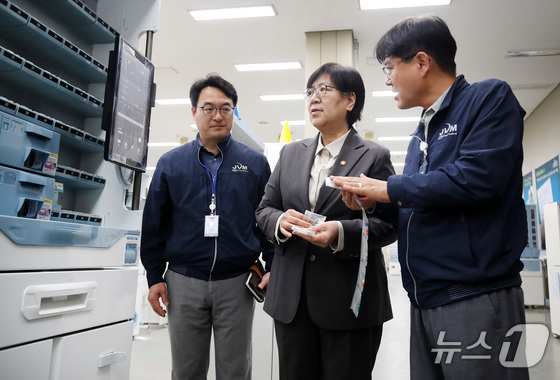
The South Korean pharmaceutical and healthcare sectors are seeing relief from concerns over potential medical supply shortages after the United States and Iran formally agreed to a ceasefire. The government said it will continue monitoring supply conditions closely and maintain contingency measures until the situation is fully resolved.
According to the Ministry of Health and Welfare on June 16, domestic supplies of medical products are gradually returning to pre-conflict levels after the United States and Iran agreed on June 14 to halt hostilities and reopen the Strait of Hormuz.
The ministry held its 12th meeting with healthcare and pharmaceutical organizations to assess supply conditions and discuss future management plans. Officials concluded that supplies are steadily stabilizing thanks to efforts to secure raw materials, survey inventory levels at medical institutions and restore distribution networks.
Data from the Health Insurance Review and Assessment Service showed that inventory levels at hospitals ranged from 84% to 116% of year-earlier levels during the first survey but improved to between 95% and 114% in the fifth survey. The figures indicate that stock levels for most products are now largely in line with those recorded last year.
Purchasing conditions have also improved. Restrictions on the number of purchases and eligible buyers at online stores operated by the Korean Medical Association and the Association of Korean Medicine, which sell products such as syringes and cupping cups, have been eased or lifted.
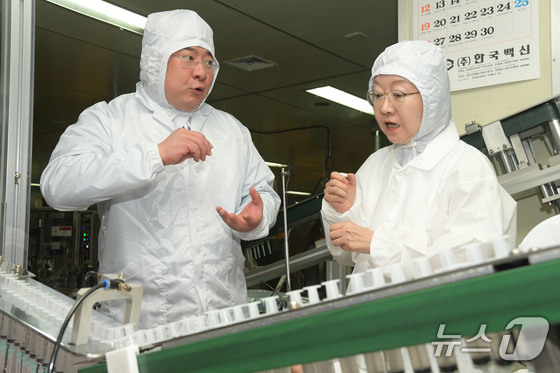
A representative of the Korean Pharmaceutical Association said pharmacy operations have continued without major disruptions.
“Thanks to government efforts, dispensing activities at pharmacies, including the use of medication packaging materials and prescription bottles, have proceeded smoothly,” the official said. “Supplies remain somewhat limited, but they are being provided steadily within manageable levels.”
Industry observers attributed the stabilization in part to the government’s swift response during the early stages of the crisis. When concerns emerged over shortages of IV solution packaging materials, syringes and medication bottles, authorities imposed anti-hoarding measures, launched inspections and prioritized the allocation of raw materials to manufacturers to boost production.
The Ministry of Food and Drug Safety conducted a second round of inspections last month and identified 34 companies involved in 57 cases of violations of anti-hoarding regulations for syringes. Ten repeat offenders were referred for prosecution. One company was found storing more than 120,000 syringes in excess of permitted inventory limits for a week.
Authorities are also considering measures that would allow confiscation and disposal of stockpiled products immediately upon detection of hoarding.
Syringe production averaged 4.69 million units per day between June 3 and June 10, while inventories stood at 49.02 million units. Average daily output over the nearly two months since the anti-hoarding measures took effect reached 4.95 million units, up 35.1% from the previous year’s daily production average.
The government has also adjusted reimbursement benchmarks used to determine National Health Insurance payment ceilings for medical materials to reflect higher exchange rates, helping manufacturers offset rising production costs.
To stabilize supplies of plastic-based medical products, authorities have provided emergency management funding to small and medium-sized companies.
Support has also been expanded for patients who rely heavily on medical products. Eligibility for a telemedicine-based purchasing assistance program for people with rare diseases requiring home care has been broadened from five diseases and 15 products to 11 diseases and 58 products.
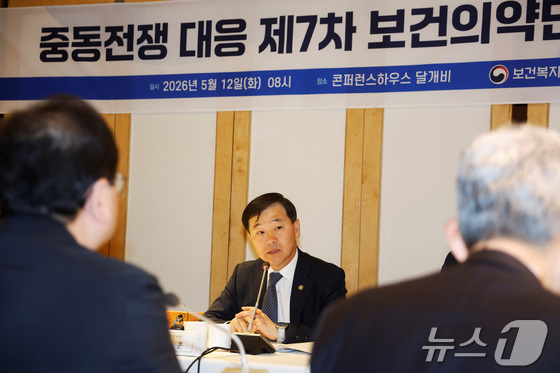
With petrochemical companies supplying raw materials to medical-product manufacturers gradually restoring operating rates to pre-conflict levels, the government plans to continue prioritizing raw-material supplies for medical-product production through July. Authorities will also continue accepting reports of hoarding involving syringes and needles.
Jung Kyung-sil, director general for health policy at the Ministry of Health and Welfare, said the crisis has been managed through close cooperation among government agencies and healthcare organizations.
“Thanks to the coordinated efforts of related ministries and healthcare organizations, we are overcoming this challenge effectively,” Jung said. “We will continue thorough monitoring and timely responses to ensure that the public experiences no disruption in accessing healthcare services.”