

“Why did I have a stroke when my blood pressure was normal?”
This is a question frequently raised in hypertension care settings. Some patients develop cardiovascular or cerebrovascular diseases even though their blood pressure measured at a hospital was normal, while others are diagnosed with hypertension at a clinic but maintain normal blood pressure in their daily lives.
The difference comes from the fact that blood pressure is a biological signal that changes throughout the day. As the medical community increasingly recognizes that “when blood pressure rises” can be more important than “how high it rises,” interest in 24-hour ambulatory blood pressure monitoring (ABPM) is growing.
Normal at the Hospital, High at Home… The “Average” Problem
According to medical sources on July 20, traditional hypertension diagnoses have been based on blood pressure measurements taken in clinical settings.
However, blood pressure changes multiple times a day depending on sleep, meals, exercise, stress, smoking and medication timing. A blood pressure reading taken at a hospital reflects only one moment of the day and does not show a patient’s overall blood pressure pattern.
Representative examples include white coat hypertension and masked hypertension. White coat hypertension refers to cases where blood pressure is elevated only when measured at a hospital, while masked hypertension occurs when blood pressure appears normal in a clinic but is elevated in daily life.
The medical community is paying particular attention to nighttime hypertension. In healthy individuals, blood pressure typically decreases by about 10% to 20% during sleep, but some patients experience little reduction or even an increase. This non-dipping blood pressure pattern is known to increase the risk of stroke and heart failure but is difficult to detect through clinic blood pressure measurements alone.
A sharp increase in blood pressure immediately after waking, known as a “morning surge,” is also considered a risk factor for cardiovascular disease.
Treatment Strategies May Differ Even With the Same Blood Pressure
For this reason, medical professionals are shifting their diagnostic approach from viewing blood pressure as a single number to analyzing 24-hour patterns.
24-hour ambulatory blood pressure monitoring can assess not only average blood pressure but also daytime and nighttime blood pressure, whether blood pressure decreases during sleep, morning blood pressure surges and blood pressure variability.
Even if two patients have the same blood pressure reading in a clinic, treatment strategies may differ. For example, patients whose blood pressure remains elevated at night may require adjustments in medication timing or changes in medication types.
In other words, hypertension management is expanding from treatment focused on “lowering numbers” to treatment focused on “managing high-risk periods.”
This trend is considered similar to how continuous glucose monitoring (CGM) transformed diabetes care by revealing glucose fluctuations that could not be identified through average blood sugar levels (HbA1c) alone.
Cuffless Blood Pressure Devices Expand, Opening the Era of 24-Hour Data
A major challenge has been the inconvenience of conventional ambulatory blood pressure monitors (ABPM). Because the devices measure blood pressure every 30 to 60 minutes while patients wear an arm cuff, they can restrict daily activities and disrupt sleep at night.
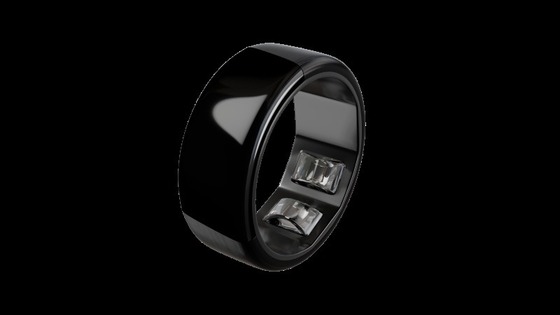
Recently, cuffless blood pressure monitors, including ring-shaped devices, have emerged as a way to address these limitations.
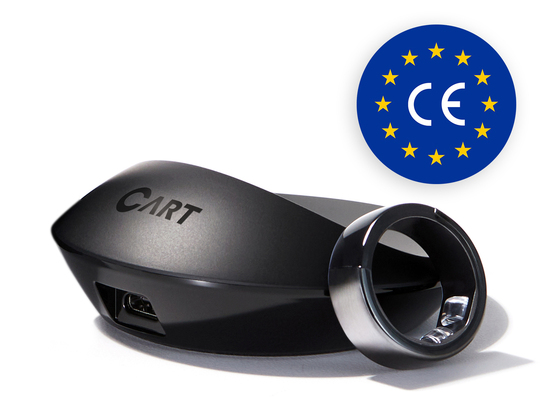
In particular, the ring-type cuffless blood pressure monitor “CART BP pro” reduces the inconvenience associated with traditional cuff-based ABPM while allowing medical professionals to review patients’ daily blood pressure patterns. This represents more than a simple change in measurement methods; it changes how blood pressure data is used in treatment decisions.
Because blood pressure can be continuously measured during daily activities and sleep without a cuff, the device can provide more natural blood pressure data.
Medical professionals expect the use of 24-hour blood pressure monitoring to expand as patient adherence improves.
A medical industry official said, “Even with the same blood pressure reading, risks can differ from patient to patient. 24-hour ambulatory blood pressure monitoring is considered a test that reveals risks that were previously hidden behind clinic blood pressure measurements.” The official added, “The spread of cuffless blood pressure monitors will serve as an opportunity to shift the hypertension management paradigm from ‘averages’ to ‘patterns.’”