

CJ CheilJedang’s biodegradable bio-material, Polyhydroxyalkanoate (PHA), is making waves in major U.S. media outlets.
On Friday, CJ CheilJedang reported that the Associated Press recently spotlighted PHA’s biodegradability and applications in an article exploring bio-plastics as an alternative to petroleum-based microplastic pollution.
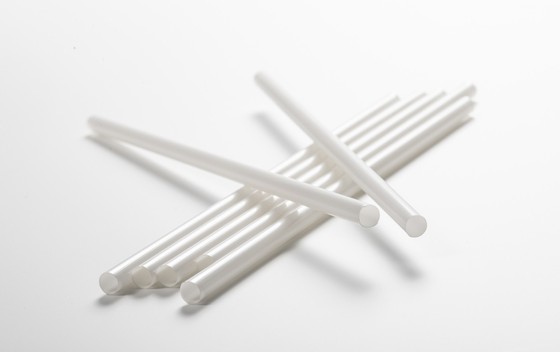
The AP hailed CJ BioMaterials, CJ CheilJedang’s U.S. subsidiary, as a frontrunner in PHA manufacturing. The piece delved into PHA’s commercial uses, from disposable cutlery and straws to packaging and reusable paper towels, as well as ongoing efforts to replace petroleum-based plastics.
This story was picked up by leading U.S. news outlets, including The Washington Post, ABC News, the Los Angeles Times, and NBC Boston, along with various regional media.
PHA is a bio-material produced by microorganisms that consume plant-derived sugars, such as those from sugarcane. It has the unique ability to biodegrade in natural environments like soil and oceans. As a promising alternative to conventional petroleum-based plastics, PHA is finding increased use in packaging and food service items. Globally, only a handful of companies can mass-produce PHA, with CJ CheilJedang being the sole producer in South Korea.
Since launching its biodegradable material brand PHACT in 2022, CJ CheilJedang has broadened PHA’s applications. They began with Vanilla Co.’s cleansing balm containers that year and plan to incorporate PHA into packaging for Olive Young’s Same-Day Delivery products by 2024.
Last year, the company partnered with Swedish bio-materials firm BIQ Materials to implement PHA-based artificial turf infill at a local soccer field. This year, they’ve started supplying PHA straws to domestic coffee chains like Paul Bassett and U.S. coffee shops. In February, they collaborated with Yuhan-Kimberly and Eugene Hanil Fibers to introduce the Kleenex Washable Biodegradable Sanitary Cloth, made from PHA, Polylactic Acid (PLA), and pulp.
A CJ CheilJedang spokesperson stated that PHA’s biodegradability and versatility as a future material are gaining increasing recognition. Through ongoing research and development (R&D) and external partnerships, it aims to introduce PHA-based products across an even wider range of industries.