

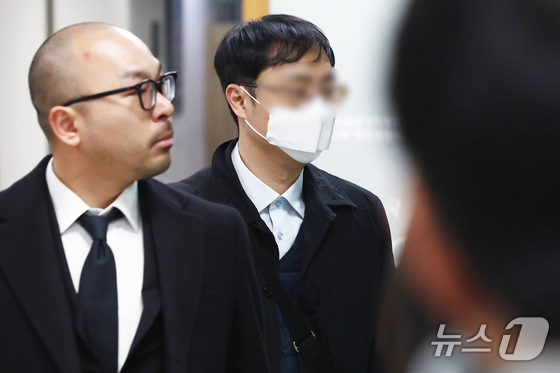
A graduate student in his 30s who sent drones to North Korea multiple times has been handed over to prosecutors while in custody. Two other civilian suspects accused of conspiring in the production and flight of the drones were referred to prosecutors without detention.
A joint military-police investigation task force on March 6 referred the three civilian suspects to prosecutors on charges including aiding the enemy, violating the Aviation Safety Act and violating the Military Bases and Installations Protection Act.
Police said the suspects’ drone flights exposed South Korean military information to North Korea and heightened tensions between the two Koreas, leading to changes in the South Korean military’s surveillance posture and infringing on the country’s military interests.
According to the police investigation, the suspects — who were university seniors and juniors or friends — shared an interest in North Korea and drones while working together at the same civic organization or previously serving together at the presidential office under the former administration. The group established and operated a drone company together starting in September 2023.
The task force said the suspects conspired in 2024 to develop drones capable of avoiding detection by low-altitude air defense systems. Investigators believe they flew drones toward North Korea and conducted aerial filming to promote their technology and gain economic benefits by claiming their drones could evade air defense systems in both North and South Korea.
Authorities said the suspects launched drones four times — on Sept. 27, Nov. 16 and Nov. 22 last year, and Jan. 4 this year — from Ganghwa Island in Incheon, South Korea. The drones were programmed to fly over Kaesong city and Pyeongsan county in North Korea before returning to Paju in Gyeonggi Province, South Korea.
Investigators also confirmed eight additional drone test flights conducted between June 18 and Nov. 15 last year in Yeoju, Gyeonggi Province in South Korea, to verify the drones’ performance. A drone discovered in Yeoju in November was determined to be one of those eight test flights carried out by the three suspects.
“The suspects’ actions were judged to pose a serious threat to national interests,” the task force said. “We conducted a strict investigation, including detaining the main suspect, and will continue to actively cooperate with prosecutors after the case transfer.” The task force added that it will continue investigating whether suspects affiliated with the National Intelligence Service or the military were involved in the case.
A court on Feb. 26 issued an arrest warrant for Oh, the graduate student accused of sending the drones to North Korea. Police have conducted more than 20 rounds of suspect questioning involving seven individuals in the investigation.