

A Korean-American septuagenarian has been fined for overstaying his visa without obtaining proper extension.
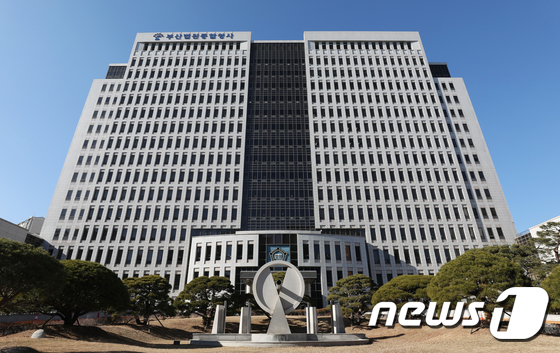
On Monday, legal sources reported that the Busan District Court’s 5th Criminal Division, presided over by Judge Kim Hyun-soon, imposed a fine of 5 million KRW (approximately 3,400 USD) on Mr. A, a U.S. citizen in his 70s, for violating the Immigration Control Act.
According to the prosecution, Mr. A allegedly remained in South Korea from November 11 to December 10, 2023, despite his visa expiring on the latter date, without applying for an extension.
Mr. A’s defense attorney argued that as an American investor, the defendant should be subject to U.S.-Korea Free Trade Agreement (FTA) regulations, asserting that South Korean courts lack jurisdiction in this case.
The lawyer further contended that due to the establishment of a free trade zone, the area falls under U.S. territory and is exempt from foreign registration requirements. He claimed that since Mr. A had returned his foreign registration card and domestic residence report for overseas nationals, no extension was necessary.
Additionally, the defense alleged violations of due process, including arrest without a warrant or summons.
The court dismissed these arguments, stating that the case pertains to the defendant’s visa extension application and is unrelated to U.S. sovereign activities. It ruled that the matter does not fall under trade or international disputes, thus precluding exemption from South Korean jurisdiction under the U.S.-Korea FTA.
The court emphasized that U.S. citizenship alone does not exempt one from South Korean immigration laws.
Regarding the obligation to apply for a visa extension, the court determined that neither relevant laws nor FTA provisions exempt individuals based solely on U.S. citizenship.
The court noted that Mr. A had previously received a 1 million KRW (about 680 USD) fine notice and failed to comply, indicating his awareness of the extension requirement.
As for the due process violation claims, the court stated that immigration officials appeared to have followed proper emergency protection procedures, rejecting this argument.
In conclusion, the court emphasized the seriousness of Mr. A’s extended unauthorized stay, citing concerns about undermining the efficacy of immigration policies.