

Anemia is a condition where blood fails to deliver sufficient oxygen to the body’s tissues. When hemoglobin levels in the blood are low, oxygen transport capacity decreases, leading to fatigue, weakness, and in severe cases, cardiovascular complications.
Iron Deficiency Anemia: The Most Common Form, Posing Risks Beyond Mere Fatigue
On June 28, Dr. Hyuk-tae Kwon, Professor of Family Medicine at Seoul National University Hospital, explained that anemia occurs when blood cannot supply enough oxygen for tissue metabolism, resulting in tissue hypoxia. He noted that causes fall into two categories: inadequate blood production or excessive blood loss, with iron deficiency being the most prevalent cause.
Iron deficiency anemia develops when the body lacks sufficient iron to produce adequate hemoglobin. Iron is crucial for red blood cells to transport oxygen. As iron levels drop, less oxygen circulates throughout the body, leading to easy fatigue.
Early symptoms often include simple fatigue or decreased concentration. As iron deficiency worsens, individuals may experience shortness of breath and dizziness when climbing stairs, headaches, and a rapid heartbeat. Other signs include cold extremities, increased hair loss, brittle nails, or spoon-shaped nail deformities.
Dr. Kwon stated that patients commonly report shortness of breath, dizziness, headaches, nausea, and fatigue. He added that research shows that people with anemia often have poor sleep quality, struggling to achieve deep sleep and waking frequently.
Prolonged untreated anemia can lead to more serious issues than fatigue. The heart may overwork to compensate for oxygen deficiency, increasing cardiac strain. If persistent, this can elevate the risk of cardiovascular diseases or stroke.
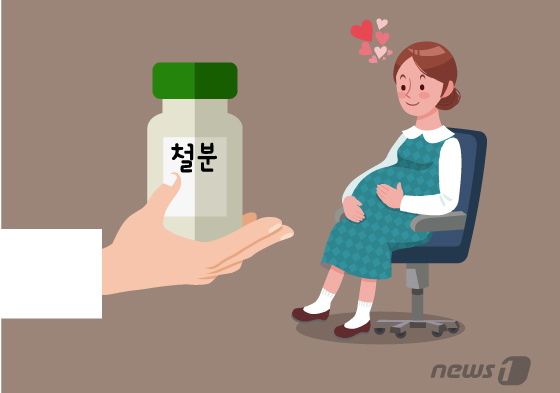
Iron deficiency anemia is especially common in women of childbearing age due to menstrual iron loss and increased iron demands during pregnancy and childbirth. Growing children, adolescents, those on restrictive diets, and vegetarians are also prone to iron deficiency.
Gastrointestinal bleeding should be suspected if anemia occurs in men or postmenopausal women
If iron deficiency anemia is detected in men or postmenopausal women – groups not typically experiencing increased iron needs – it shouldn’t be assumed to be merely nutritional deficiency. There may be underlying gastrointestinal bleeding from conditions such as gastric ulcers, colon polyps, or colon cancer. Experts recommend screening for gastrointestinal bleeding through stool tests, digital rectal exams, and endoscopy.
Anemia can usually be diagnosed through a simple blood test. Generally, hemoglobin levels below 12 g/dL for women and 13 g/dL for men indicate anemia. Further tests for iron levels and stored iron help determine if it’s iron deficiency anemia. If necessary, endoscopies may be performed to identify bleeding sources.
Anemia has some links to blood cancers. While anemia itself doesn’t cause blood cancer, decreased bone marrow function can lead to insufficient blood production, resulting in anemia. Dr. Kwon explained that in cases of severe bone marrow dysfunction, blood cancers like leukemia may be detected, making it crucial to identify the underlying cause.
Prevention and treatment primarily involve iron supplementation and maintaining an iron-rich diet. Taking iron supplements with vitamins can enhance absorption. However, coffee, green tea, black tea, or calcium supplements can hinder iron absorption, so it’s advisable to space out these intakes.
Regularly consuming iron-rich foods like red meat and liver is beneficial. Dr. Kwon advised that taking iron supplements alongside iron-rich foods and ensuring sufficient vitamin B intake can be helpful. Additionally, excessive alcohol consumption can lead to vitamin B deficiency, increasing the risk of anemia, so moderation is recommended.