

President Donald Trump’s implementation of reverse maritime blockade measures has sent shockwaves through the U.S. construction materials and interior design industries. As the blockade conflict shows signs of prolonged escalation, fears of a domino effect rippling through the petrochemical supply chain—from naphtha to polyvinyl chloride (PVC) to construction materials—are mounting.
Industry sources reported on Tuesday that 26 Korean vessels are currently stranded in the Persian Gulf, just inside the Strait of Hormuz. The fleet includes 9 crude oil tankers, 8 petroleum product carriers, 5 bulk carriers, 2 LNG/LPG tankers, 1 container ship, and 1 car carrier.
In the wake of the Middle East conflict, Iran has restricted passage through the strait to approximately 15 ships daily, slashing traffic to less than a tenth of its pre-war volume of 130-140 vessels. Consequently, all Korean ships, despite being ready to sail, remain moored.
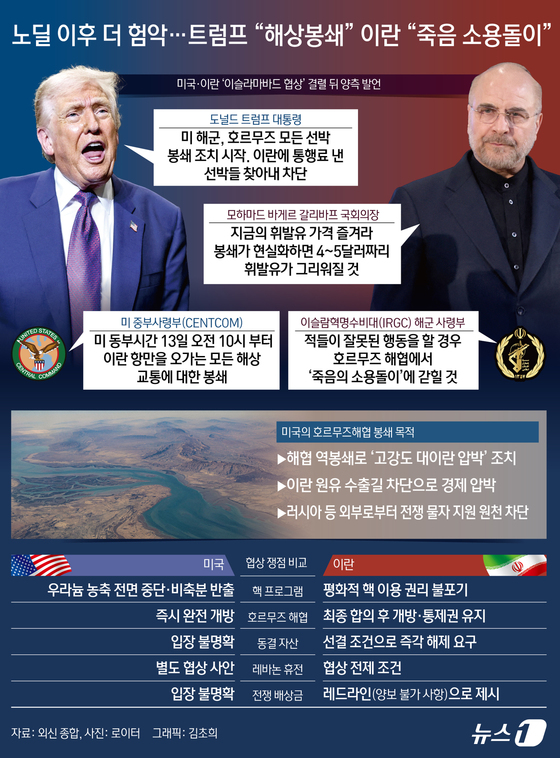
The situation has deteriorated into a protracted standoff, particularly after President Trump proposed blocking ships from transiting the strait without paying Iran a toll, following the collapse of U.S.-Iran negotiations.
The U.S. petrochemical industry, which sources over 70% of its naphtha from the Middle East, has seen operating rates at major naphtha cracking centers in key industrial hubs plummet to 60-65% since the blockade began.
Construction and interior design sectors are growing increasingly anxious, stressing that the Korean vessels trapped in the Strait of Hormuz must arrive by May or early June at the latest to meet construction deadlines.
The industry is grappling with supply instability for basic materials like PVC and methyl Meta crylate (MMA) as the availability of naphtha derivatives such as ethylene and propylene dwindles.
PVC is a crucial component in construction and manufacturing, used in windows, pipes, flooring, and synthetic leather. MMA finds applications in high-end interior panels and transparent partitions. As a result, production cuts and quantity reductions are becoming widespread across various product lines.
Global naphtha prices have nearly doubled, surging from 600 USD per ton in January to approximately 1,170 USD by mid-March.
Industry giants like Hanssem, LX Hausys, KCC Glass, and Hyundai L&C (formerly Hyundai Livart) are weathering the storm through inventory management, supply adjustments, and cost-cutting measures.
However, industry experts warn that if the blockade persists beyond May, the construction and building materials sectors will inevitably face delivery delays and price inflation.
An industry insider commented that if this situation continues into May, construction firms may be forced to pay premium prices to secure raw materials and meet deadlines. This could trigger widespread price instability across the manufacturing sector.