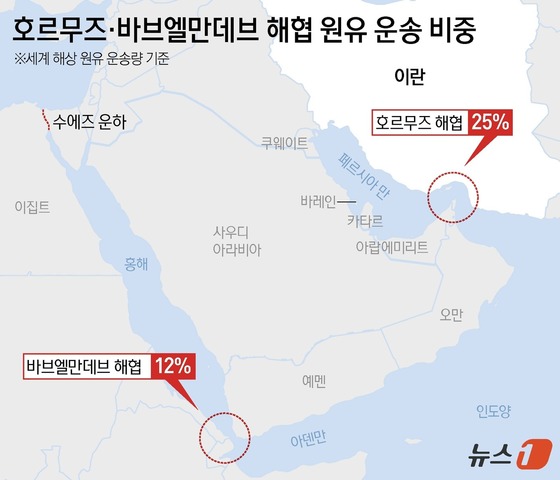
The ripple effects of the U.S.-Iran maritime blockade are spreading beyond the Strait of Hormuz to the Bab-el-Mandeb Strait in the southern Red Sea, sounding alarms across domestic petrochemical, construction materials, paint, plastic, and consumer goods industries.
As the blockade conflict shows signs of prolonged tension, fears of a domino shock are intensifying. This could disrupt the supply chain from naphtha (the basic petrochemical raw material) to ethylene and propylene, then to plastic resins (PE, PP, PET) and polyvinyl chloride (PVC), and ultimately to vinyl, plastics, and construction materials.
Blockade Threat Expands from Hormuz to Red Sea-Suez Route
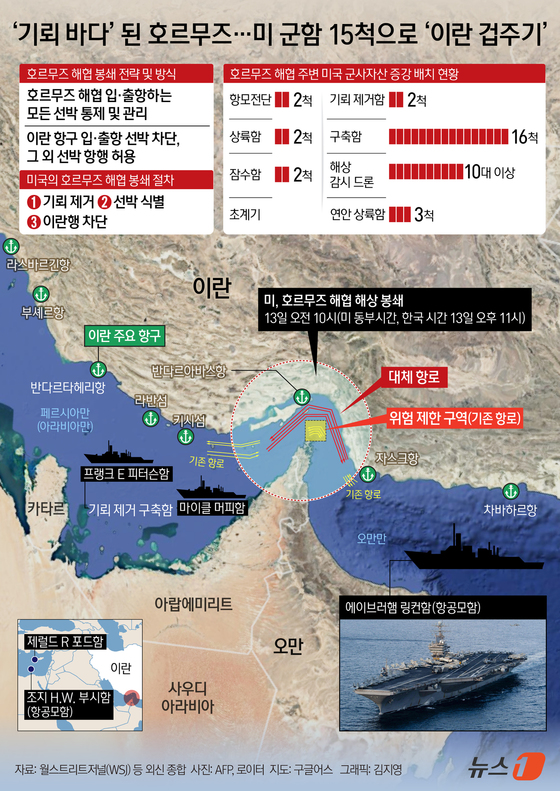
Industry sources reported on Friday that in addition to Yemen’s Houthi rebels threatening Red Sea navigation, the U.S. has implemented counter-blockade measures targeting Iranian ports. This is putting pressure on Middle Eastern oil and raw material flows all the way to the Suez Canal. The Iranian military has warned it will forcibly block the Red Sea if the U.S. continues its maritime blockade.
The Red Sea-Suez route is a critical global logistics artery, accounting for about 10% of worldwide maritime oil transportation and over 10-13% of total sea trade. During the 2021 Suez Canal grounding incident, average transportation times increased by 7-10 days, and shipping costs skyrocketed by 200-300%.
Domestic refining and petrochemical industries, which rely on Middle Eastern naphtha for about 70% of their needs, have already seen operating rates at major naphtha cracking centers (NCCs) in Yeosu and Ulsan drop to 60-65% following the Hormuz blockade.
If the Red Sea-Suez route also faces disruptions, concerns are mounting that supply bottlenecks and rising freight and insurance costs will further increase financial burdens.
Industry Needs Stabilization Within a Month to Avert Domino Shock
Construction materials, interior design, and paint industries are worried that Korean vessels stranded in the Strait of Hormuz must arrive by May or early June at the latest to meet construction deadlines. Approximately 26 Korean-flagged vessels, including crude oil and petroleum product carriers, bulk carriers, and car carriers, are reportedly stuck in the Persian Gulf.
Industry sources indicate that as the supply of naphtha derivatives like ethylene and propylene decreases, instability in the supply of basic materials such as polyvinyl chloride (PVC) and methyl methacrylate (MMA) is growing.
The naphtha shock is also directly impacting small and medium-sized container manufacturers and packaging distribution channels that rely on diverse, small-volume production.
In the delivery and self-employed sector, plastic containers, plastic bags, disposable utensils, and paper cups are not just incidental costs but core fixed expenses. Since these items are essential for each order, even a slight increase in unit prices can lead to a significant rise in cumulative costs.
Small e-commerce companies are also facing a crisis. They report that simultaneous increases in costs for shipping boxes, cushioning materials, tape, and plastic packaging have made it difficult to secure even minimal profit margins.
The government has activated an inter-ministerial emergency monitoring system. The Ministry of Trade, Industry and Energy and the Ministry of Small and Medium Enterprises (SMEs) and Startups are monitoring naphtha and plastic resin supply trends while examining financial and logistics support, as well as the implementation of delivery price linkage systems and price transfer practices.
An industry representative stated that if Iran’s threatened Red Sea blockade becomes a reality, disruptions in crude oil and naphtha supply, coupled with increased transportation times and costs, will inevitably impact the entire domestic industry and cause delivery delays. Currently, they’re managing with inventory, but if blockade uncertainties persist beyond May, production cuts and shutdowns could become a reality.