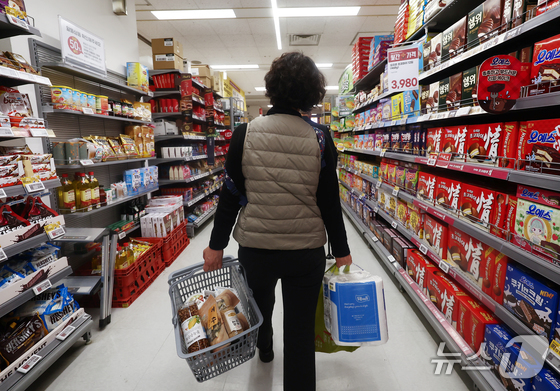
As armed conflicts escalate in the Middle East, global oil prices have once again surpassed 100 USD per barrel. The prolonged high oil prices could increase costs across industries, from packaging materials in the food and beauty sectors to delivery fees in retail and e-commerce. As a result, these industries are closely monitoring oil price trends.
Of particular concern is the rising price of naphtha, a crude oil derivative. This increase could put upward pressure on the costs of packaging materials such as PET bottles and plastic containers.
Oil Prices Breach 100 USD Mark Again… Naphtha Follows Upward Trend
Industry sources reported on the 14th that companies in the food, beauty, and retail sectors are keenly observing the recent surge in global oil prices.
On September 11, West Texas Intermediate (WTI) crude for October delivery closed at 102.48 USD per barrel, a significant jump of 6.43 USD (6.69%) from the previous trading day.
While it dipped 2.43 USD (2.37%) to close at 100.05 USD per barrel on September 12, it still held above the 100 USD threshold. Brent crude for November also saw a decline, falling from 107.63 USD on September 11 to 104.61 USD on September 12. On a weekly basis, both WTI and Brent crude saw increases exceeding 8%.
The upward pressure on oil prices stems from concerns that Middle East conflicts could disrupt oil production and transportation.
The ripple effect of rising oil prices could extend to packaging costs in the food and beauty industries, as the prices of raw materials for PET bottles and various plastic packaging are closely tied to crude oil and naphtha prices.
Naphtha prices surged to an average of 1,063.1 USD per metric ton in April, coinciding with heightened U.S.-Iran tensions, before dropping to 708.4 USD in June.
Subsequently, prices rebounded to 807.1 USD in July and 795.6 USD last month, with the current month’s average climbing to 874.1 USD.
This trend is particularly burdensome for the food industry. In the wake of the Middle East conflict, which has driven up raw material and energy costs, major food and beverage companies implemented price hikes on select products starting in June.
A food industry executive commented that the last price increase was a reluctant move, delayed as long as possible to align with government inflation control efforts. If high oil prices persist, it will inevitably strain the profit margins.
Exchange rates add another layer of complexity. On September 11, the won-dollar exchange rate closed at 1,345.9 KRW (about 1 USD), up 6.7 KRW (about 0.005 USD) from the previous day’s close at 3:30 p.m. The KRW weakness is attributed to rising global oil prices and concerns over potential U.S. interest rate hikes.
Companies heavily reliant on imported raw materials face compounded pressure when both global commodity prices and exchange rates rise simultaneously.
An industry insider explained that while the current exchange rate is lower than the 1,500 KRW (about 1 USD) range we saw two months ago, both oil prices and exchange rates remain critical variables to monitor. Some export-heavy firms might benefit from the exchange rate, but those focused on domestic production using imported materials will likely face increased costs.
The beauty industry is also on high alert.
A beauty sector representative noted that extended periods of high oil prices could drive up raw material and manufacturing costs for the packaging, including plastic containers and tubes used in cosmetics. Moreover, certain ingredients like essential oils, retinol, and peptides, which it imports from Europe, are susceptible to fluctuations in transportation costs.
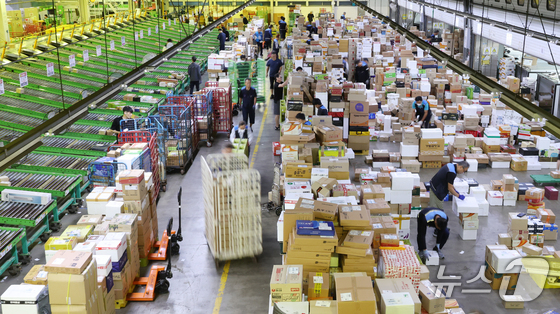
E-Commerce Delivery Wars Face Pressure… Rising Fuel Costs Threaten Profitability
If the surge in global oil prices translates to higher domestic gasoline and diesel prices, it could significantly increase logistics costs for the retail and e-commerce sectors.
For businesses that leverage free and rapid delivery as a key competitive advantage, rising fuel costs for delivery vehicles will inevitably impact their bottom line.
The fiercely competitive e-commerce landscape makes it challenging to pass these increased costs directly to consumers. If oil prices remain elevated, companies may have to absorb these costs, further squeezing their profit margins.
A retail company spokesperson explained that the company bears the fuel costs for our direct delivery fleet. If diesel prices rise, it has no choice but to absorb those increased expenses.
Consumer sentiment is another variable to consider. If high oil prices lead to broader increases in energy, goods, and service costs, it could reduce consumers’ disposable income, indirectly impacting the retail sector.
A retail industry analyst stated that while short-term oil price fluctuations may not immediately impact the business significantly, prolonged high prices could affect both the costs and consumer behavior. It’s closely monitoring overall price trends and oil market dynamics.