

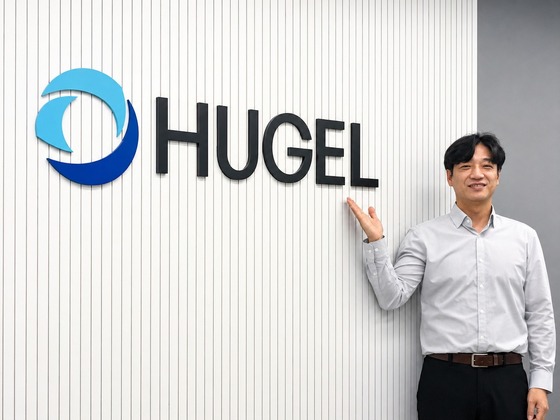
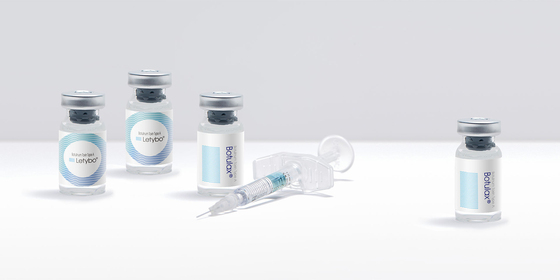
Hugel’s Geodu manufacturing facility in Chuncheon serves as the company’s primary production base for Letybo—marketed domestically as Botulax—its botulinum toxin product supplied to global markets. Following the launch of commercial production at Building B last year, the site has significantly expanded manufacturing capacity and now supports regulatory approvals and commercial supply for markets including the United States, Europe, and China. In a recent interview at the Geodu facility, Seol Hee-soo, Executive Director and Head of the Quality Division at Hugel’s Production Headquarters, said consistent product quality—not production volume—is what ultimately determines competitiveness. “Expanding manufacturing capacity is important, but what truly differentiates a company is consistent quality,” Seol said. “Factories can be automated, but responsibility for quality ultimately rests with people.” The Geodu facility’s combined annual production capacity across Buildings A and B now reaches 13 million vials, approximately 2.3 times higher than before the expansion. The addition of Building B has strengthened Hugel’s ability to meet growing global demand. Seol emphasized that maintaining quality systems is more important than simply increasing production output. “In the global market, success is measured not by how much you produce, but by whether every production lot delivers the same level of quality,” he said. “Validating every manufacturing step and building a reproducible production system is our core competitive advantage.” Most key manufacturing processes—including filling, lyophilization, and packaging—have been automated at the Geodu plant. However, Seol stressed that automation itself is not the end goal. “People often ask about our automation rate, but automation alone does not mean compliance with global GMP standards,” he said. “Automated systems must also be validated, and the people operating them must be properly qualified.” He added that compliance with current Good Manufacturing Practice (cGMP) requires standardized operating procedures (SOPs), validated equipment, and qualified personnel working together. “Hugel has built a manufacturing system that balances automation with human oversight,” he said.
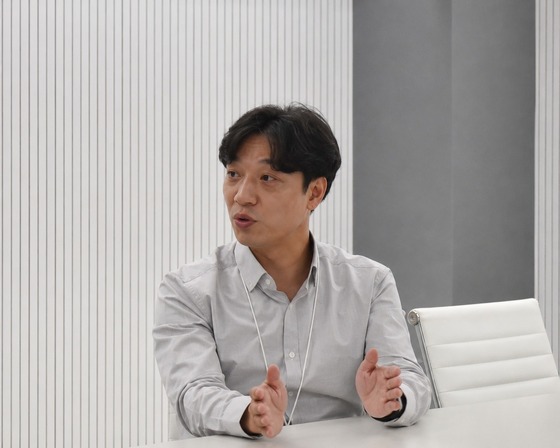
Hugel is also working to improve manufacturing efficiency through the introduction of vacuum drying technology. Currently, botulinum toxin products undergo approximately 16 hours of freeze-drying during production. The company expects vacuum drying to significantly reduce overall manufacturing time. “We are currently conducting validation studies and plan to submit a manufacturing change application to the Ministry of Food and Drug Safety by the end of this year,” Seol said. “The technology is expected to shorten production lead times while significantly improving manufacturing efficiency.” The company is also considering future capacity expansion. “Our current production capacity is sufficient to meet global demand, but as the market continues to grow, additional expansion is ultimately a matter of timing,” Seol said. “We’ll make that decision based on overall market conditions and customer demand.” Hugel’s manufacturing facilities have undergone inspections by regulators including the U.S. Food and Drug Administration (FDA) as well as authorities in Europe, China, and the Middle East. Seol noted that regulatory inspections extend beyond manufacturing systems and documentation. “When preparing for inspections from Middle Eastern regulators, we provided halal-certified meals and designated prayer spaces,” he said. “Respecting the culture of our partners is also part of being a global company.” Hugel says its quality philosophy also encompasses ethical responsibility. Each year, the company holds a memorial ceremony honoring laboratory animals used during product testing. Potency testing remains necessary to verify the safety and efficacy of botulinum toxin products, making certain animal studies unavoidable under current regulatory requirements. “Animal testing is necessary to ensure product safety, but we should never take those sacrifices for granted,” Seol said. “The annual memorial reminds our researchers of their responsibility to respect life.”
Hugel said it operates animal welfare programs that meet international standards while continuing to develop alternative testing methods that reduce animal use. The company’s ethics committee oversees all animal studies with participation from veterinarians and independent external members. “Quality isn’t simply about making good products,” Seol said. “It also includes our responsibility to people, to life, and to society.” He added that Hugel aims to build quality systems that exceed global standards and produce botulinum toxin products trusted worldwide. “Our manufacturing processes will continue to evolve,” Seol said. “But quality is one area where we will never compromise.”