

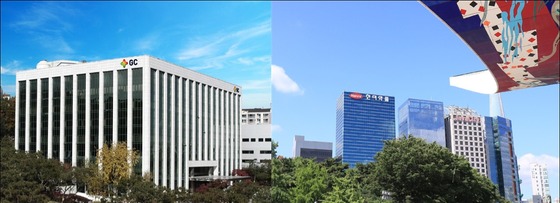
GC Biopharma and Hanmi Pharmaceutical have secured a lucrative technology transfer deal worth up to 634.7 billion KRW (about 474 million USD) for their jointly developed next-generation Fabry disease treatment candidate, LA-GLA.
The two companies announced on Friday that they have inked an exclusive licensing agreement for LA-GLA with BioMarin Pharmaceutical, a global leader in rare disease therapeutics.
The deal includes an upfront payment of 70 million USD and potential milestone payments of up to 405 million USD tied to various development and commercialization stages. Additionally, the companies will receive royalties following the product’s market launch.
While BioMarin will spearhead global development and commercialization efforts for LA-GLA, GC Biopharma and Hanmi Pharmaceutical will retain control over approval and commercialization processes in South Korea.
LA-GLA represents a cutting-edge enzyme replacement therapy (ERT) candidate designed to combat lysosomal storage disorders (LSD), specifically Fabry disease.
Fabry disease, a rare genetic condition, stems from a deficiency in the enzyme alpha-galactosidase A, causing harmful lipid accumulation within cells. This disorder impacts multiple organ systems, including the kidneys, heart, and nervous system, potentially leading to severe complications such as kidney failure and cardiovascular issues.
LA-GLA offers a significant improvement over current ERTs, which require bi-weekly intravenous (IV) administration. The new treatment is engineered for subcutaneous (SC) injection, boasting an extended half-life and enhanced stability. These advancements are expected to substantially reduce the treatment burden on patients while improving overall convenience.
Preclinical trials have yielded promising results, demonstrating superior efficacy in key markers related to kidney function, vascular health, and peripheral nervous system integrity.
LA-GLA is the product of a strategic collaboration, merging Hanmi Pharmaceutical’s proprietary drug delivery platform with GC Biopharma’s expertise in ERT production and clinical development. The partnership has already made significant strides in advancing global clinical trials.
In a notable achievement, LA-GLA received orphan drug designation from the U.S. Food and Drug Administration (FDA) in 2024. The treatment is currently progressing through global Phase 1/2 clinical trials, with BioMarin set to lead future global development initiatives.
BioMarin, renowned for its focus on rare genetic disorders, has further solidified its position in the Fabry disease space through its recent acquisition of Amicus Therapeutics.
Lim Joo-hyun, Vice Chairman of Hanmi Pharmaceutical Group, emphasized the significance of LA-GLA, stating that this breakthrough exemplifies the power of open innovation, showcasing how collaboration among leading domestic pharmaceutical companies can accelerate global drug development. It’s committed to expediting LA-GLA’s global development while ensuring Korean patients gain access to this innovative treatment option.
Heo Eun-cheol, Chief Executive Officer (CEO) of GC Biopharma, added that this technology transfer deal underscores the success of the strategic research and development (R&D) partnership. Moving forward, it will leverage the competitive pipeline to expand global partnerships and drive commercialization efforts.