

Ceragem has published a joint ISO/IEC technical report, ISO/IEC TR 30123:2026, aimed at setting international standards for interoperability among home healthcare devices, the company said.
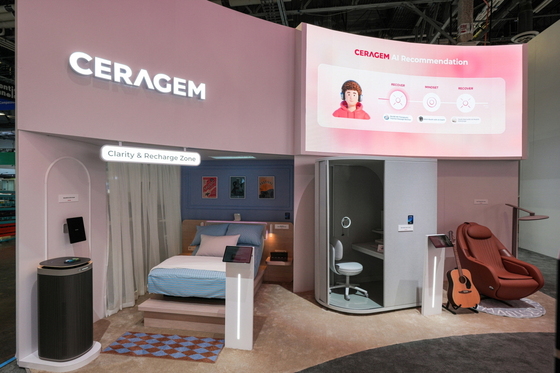
While conventional AI-powered smart homes have largely focused on automating household appliances, Ceragem’s “AI Wellness Home” concept centers on healthcare, positioning the home as a lifestyle-oriented environment built around personal well-being.
According to industry sources on May 6, the report is the first international document to outline safety, interoperability, and performance criteria for integrating medical and non-medical devices into a unified platform within Internet of Things (IoT)-based home healthcare systems.
Ceragem envisions homes evolving into responsive environments that function as a seamless system tailored to users. The company describes this concept as an “Alive Intelligence Wellness Home,” a living space that actively understands and supports individual health needs.
The standardization effort was led by Ceragem Clinical, the company’s clinical research unit responsible for healthcare trials, regulatory approvals, and medical device and platform development.
Until now, home healthcare devices have often used different communication protocols and data structures, limiting integration and raising concerns about device conflicts or malfunctions when used together.
Ceragem’s push for standardization began in 2023 after the initiative was adopted at the IoT international standardization group JTC1/SC41. The company has since refined its model through interoperability testing across various healthcare and smart home devices. The publication of the joint ISO/IEC report in March marks the completion of the first phase.
The standard also aligns with Ceragem’s global expansion strategy. The company currently operates home healthcare device businesses in South Korea, China, the United States, and Southeast Asia, and plans to scale up a unified data platform connecting multiple devices.
A Ceragem official said the new standard provides a baseline for safe device integration and is expected to support the global adoption of new housing models such as AI-powered wellness homes.