A patient who had been on systemic steroids for nearly a decade experienced persistent itching and scratching but did not present with classic atopic dermatitis, leaving the cause undiagnosed. After a comprehensive evaluation, the patient was diagnosed with senile atopic dermatitis and nodular prurigo. Treatment with a biologic therapy for atopic dermatitis dramatically improved both the itching and skin lesions. The delay in accurate diagnosis meant the patient endured repeated treatments and persistent itch for almost 10 years. Itching is a common symptom everyone experiences. However, if it persists for more than six weeks or does not respond to standard treatment, it may indicate underlying issues beyond the skin—such as kidney, liver, thyroid, or neurological disorders, or medication side effects. With aging populations, cases of senile pruritus, neuropathic itch, and itch linked to chronic diseases are rising, making precise diagnosis increasingly important. To address these cases systematically, Hallym University Gangnam Sacred Heart Hospital recently opened South Korea’s first Refractory Itch Center, centered on dermatology but involving neurology, ENT, and gynecology specialists. Center Director Kim Hye-won discussed why refractory itch cases are increasing, warning signs not to overlook, and the latest treatment strategies.

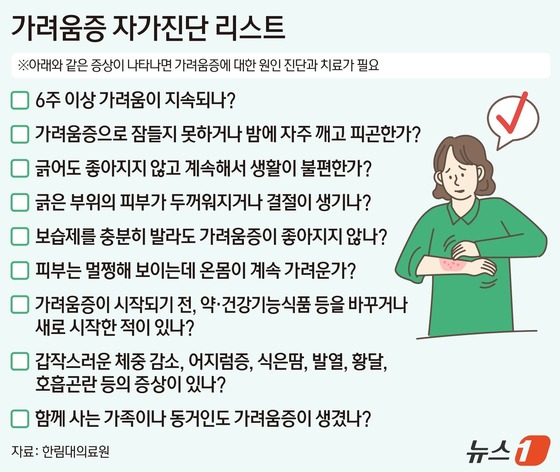
“Although itching is one of the most common complaints in dermatology clinics, its causes are more diverse than expected,” Kim said. Chronic kidney disease, thyroid disorders, neurological issues, or drug reactions can all trigger itch. The aging population has led to a significant increase in senile pruritus. Additionally, neuropathic itch—where patients experience severe itching without skin lesions, often after cancer treatments—is also on the rise. Many patients endure long periods of discomfort without identifying the root cause, often moving between clinics. “Itching should no longer be treated as a simple skin issue,” Kim emphasized. Simple itch usually responds well to targeted treatment for visible skin conditions or allergies. Refractory itch persists for weeks or months despite treatment. Warning signs include: Itching lasting more than six weeks, severe itching that disrupts sleep, generalized itching without visible lesions, accompanying systemic symptoms such as weight loss, night sweats, or anemia. Such cases may indicate blood disorders or systemic diseases presenting first as chronic itch. “Pruritus may not be solely a dermatological issue,” Kim said. The center collaborates across specialties to evaluate patients. Neuropathic itch requires neurological assessment, while chronic itching in specific areas may require gynecological or ENT input. Patch testing and skin barrier assessments help identify lifestyle triggers. Patch testing can reveal contact allergens undetectable by blood tests, including ingredients in cosmetics, shampoos, hair dyes, fragrances, or metal accessories. Even long-used products can suddenly cause reactions. A 60-year-old woman had endured over 30 years of back itch. Patch testing revealed an allergy to PPD (para-phenylenediamine) in hair dye. Avoiding the allergen led to symptom relief. “The goal is not merely to reduce itch but to identify its cause and provide patient-specific treatment,” Kim explained.
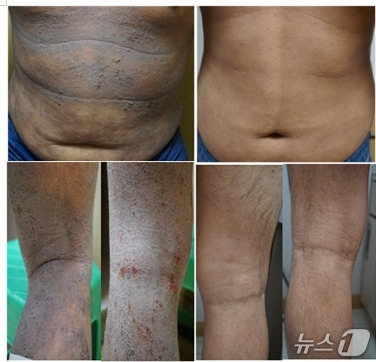
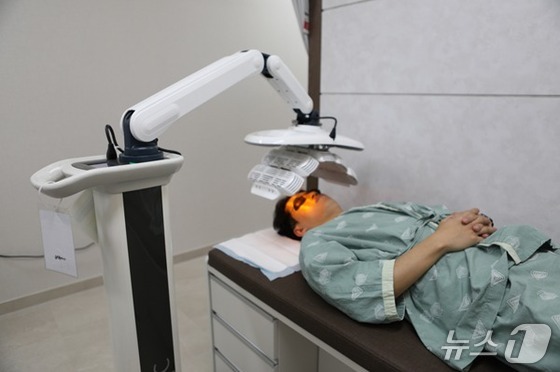
Historically, antihistamines and steroids were mainstays. Advances in understanding immune and neural pathways now allow for targeted treatments. Biologics and JAK inhibitors show good results in atopic dermatitis, while neuropathic itch may be treated by drugs modulating neural pathways. For example, a patient with senile atopic dermatitis and nodular prurigo had undergone long-term steroid therapy without improvement. After starting biologic therapy, symptoms markedly improved, demonstrating the importance of precise diagnosis. “Many assume dry skin is normal and tolerate the itch,” Kim said. Persistent itching may signal systemic or treatable dermatological conditions. Patients experiencing sleep disruption or daily life interference should seek specialist care.