

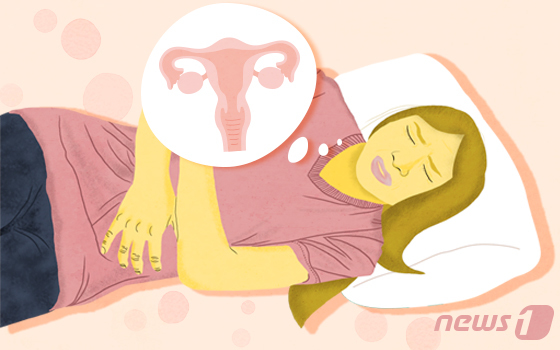
Many women often dismiss increasingly severe menstrual pain as a normal part of their cycle. However, if you experience unbearable cramps repeatedly along with persistent pelvic pain, it’s crucial to consider endometriosis. This common gynecological condition affects approximately 10-15% of women of reproductive age and can occur in anyone who menstruates, regardless of age.
Diagnosis Can Take More Than Seven Years on Average—and May Lead to Infertility
Medical experts reported on Wednesday that the uterus contains a tissue called the endometrium, which thickens during the menstrual cycle and is shed as menstrual blood if pregnancy doesn’t occur. Endometriosis develops when this endometrial tissue grows outside the uterus, affecting areas such as the ovaries, fallopian tubes, and pelvic cavity.
Data from the Health Insurance Review & Assessment Service reveals that the number of endometriosis patients increased from 153,467 in 2020 to 208,531 in 2024, a rise of about 36%. The gradual progression of symptoms often makes it challenging to distinguish from typical menstrual cramps, leading to diagnosis delays of over seven years in many cases.
The primary concern arises when endometrial tissue spreads beyond the uterus, causing chronic inflammation and adhesions that can affect various organs, including the ovaries, fallopian tubes, bladder, and intestines. This condition goes beyond just causing pain; it alters pelvic structures and can significantly impact reproductive function, potentially resulting in infertility.
Dr. Eom Hye-rim, an OB-GYN at H+ Yangji Hospital, emphasizes that many patients only seek medical help after their condition has significantly worsened. Given the high recurrence rate and direct link to infertility, it’s crucial to diagnose early and develop a systematic treatment plan when symptoms first appear.
While the exact cause remains unclear, retrograde menstruation – where menstrual blood flows back through the fallopian tubes into the pelvic cavity – is considered a potential factor. Although the immune system typically eliminates most of this tissue, some can implant in the pelvic cavity and form lesions. Immune dysfunction and genetic factors are also believed to play significant roles.
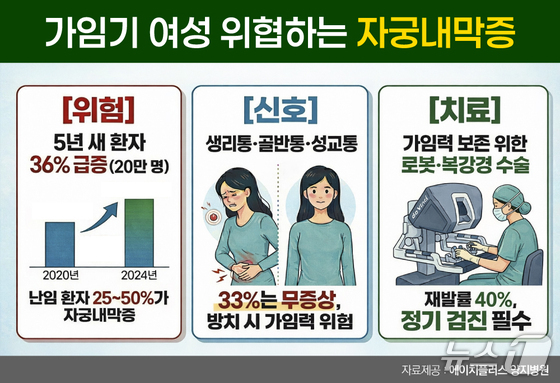
Endometriosis pain is often more intense than typical menstrual cramps, and over-the-counter pain relievers may prove less effective. Patients might experience pelvic pain even outside their menstrual period, and those with lesions near the intestines or bladder may encounter painful urination during menstruation. Interestingly, about one-third of patients only discover their condition during infertility testing, having shown no prior symptoms.
Dr. Seo Eun-ju, an OB-GYN at Seran Hospital, notes that endometriosis is reported to affect 1 in 10 women of reproductive age. While the average age of diagnosis is in the early 30s, it’s seeing an increase in cases among women in their early 20s. She adds that early onset of menstruation, prolonged periods, or heavy menstrual flow can increase the risk of developing endometriosis.
Dr. Seo further explains that as the condition progresses, symptoms such as reduced ovarian function, infertility, and pelvic organ adhesions may emerge. If you notice worsening menstrual cramps, struggle through your period without pain relief, experience pain during intercourse, or have difficulty conceiving, it’s essential to consult with a gynecologist.
Regular Checkups and Monitoring Changes in Menstrual Cycles and Pain Remain the Best Approach
Endometriosis is particularly concerning due to its close link to infertility. Between 25% and 50% of infertility patients also have endometriosis. Adhesions in the ovaries and fallopian tubes can hinder ovulation and egg movement, while inflammatory substances can diminish the quality of eggs and embryos, negatively impacting pregnancy chances. Blocked fallopian tubes can make natural conception extremely difficult.
Diagnosis typically involves a comprehensive medical history review, blood tests, ultrasound, and magnetic resonance imaging (MRI), with laparoscopic biopsy providing final confirmation. Treatment options depend on factors such as age, pregnancy plans, and the severity of the condition, and may include medication or surgery. Hormonal treatments, including oral contraceptives and progesterone, can help suppress lesion growth.
Surgery aims to remove lesions and restore pelvic organ function. While laparoscopic surgery is commonly used, robotic surgery is gaining popularity for its precision in removing lesions while preserving healthy tissue. This approach is particularly beneficial for maintaining ovarian and uterine function in women of reproductive age.
Dr. Eom notes that recent treatment approaches go beyond simply removing lesions; they also consider the patient’s fertility and overall quality of life. Robotic surgery, in particular, is emerging as a promising alternative for precise lesion removal and preservation of healthy tissue.
Endometriosis has a recurrence rate of about 40% within five years after treatment. Given this high risk of recurrence and the lack of clear prevention methods, it’s vital to continuously monitor changes in menstrual cycles and pain patterns. Managing recurrence through regular gynecological check-ups every 3 to 6 months is crucial.
If you notice worsening menstrual cramps or persistent chronic pelvic pain, especially with a family history of endometriosis, seek medical attention promptly. Early diagnosis increases the chances of preserving ovarian function and fertility. Women planning to conceive should proactively investigate the cause of their pain rather than enduring it silently.