

Patients first have fat tissue and blood collected at a hospital in South Korea before traveling to Japan, where they receive cultured stem cell and immune cell therapies. The total cost for six treatment sessions is about $30,100.
The program, operated by an affiliate of a South Korean biotech company, collected patients’ cells domestically while the culturing and treatment took place at a Japanese hospital. South Korea’s Ministry of Health and Welfare determined that if a domestic company received fees for referring or arranging patients to overseas medical institutions, it could constitute a violation of the country’s Medical Service Act. However, because the treatment itself is administered in Japan, it is difficult for South Korean law to directly regulate the medical procedures.
Despite the high costs and uncertain efficacy, many patients continue to seek treatment abroad because their options in South Korea remain limited. For patients with severe or intractable diseases who have exhausted standard therapies, overseas clinics advertising “treatment available” can represent what they perceive as a final opportunity.
Japan Opens the Door to Self-Pay Regenerative Medicine; China’s Lecheng Zone Attracts Medical Tourists
Japan has become a major destination for cell therapy medical tourism largely because of a regulatory framework that allows regenerative medicine to be offered as self-pay medical care.
In 2014, Japan enacted the Act on the Safety of Regenerative Medicine, bringing even unapproved regenerative therapies provided at medical institutions under regulatory oversight. Depending on the treatment’s risk level, providers must submit treatment plans for review and report adverse events and treatment outcomes.
As a result, cell therapies that have not received formal drug approval can still be offered to patients after completing specified procedures. These include treatments using cells derived from a patient’s own fat tissue or bone marrow for joint diseases and chronic pain, as well as anti-aging and cosmetic applications.
However, the Japanese government emphasizes that acceptance of a treatment plan does not mean the therapy has been proven effective or officially approved as a pharmaceutical product. Patients typically pay the full cost out of pocket, and the level of evidence supporting long-term safety and efficacy varies by treatment.
In March, Japan’s Ministry of Health, Labour and Welfare issued an emergency order suspending treatment and manufacturing operations at a medical institution and cell-processing facility after a South Korean patient died while receiving chronic pain treatment using autologous adipose-derived mesenchymal stem cells. The cause of death has not yet been determined. The processed cell product administered to the patient was also confirmed to have been cultured in Seoul.
China’s Boao Lecheng International Medical Tourism Pilot Zone in Hainan Province has also emerged as a new destination for overseas treatment. Under special regulatory provisions allowing innovative overseas drugs and medical devices to be used before they become available elsewhere in mainland China, the zone has introduced stem cell, immune cell, and gene therapies.
According to the Hainan provincial government, more than 40 medical institutions operate within the Lecheng zone. In the first quarter of this year, it received 3,053 international medical tourists—about eight times more than a year earlier. However, that figure includes all medical specialties, and neither the number of South Korean stem cell therapy patients nor individual treatment outcomes has been confirmed.
South Korea Moves to Lower Barriers for Lower-Risk Cell Therapies
South Korea implemented its Advanced Regenerative Medicine Treatment Program in February last year. Previously, only clinical research was permitted, but amendments to the Advanced Regenerative Bio Act now allow patients with serious, rare, or intractable diseases who have no alternative treatment options to receive self-funded therapies following review and approval by a national committee.
The first treatment plan was approved in April. It involves autologous immune cell therapy for patients with Epstein-Barr virus-positive extranodal NK/T-cell lymphoma, submitted by Yeouido St. Mary’s Hospital. The program will enroll 15 patients, with treatment costing about $50,800 per patient.
The Ministry of Health and Welfare noted that the therapy has neither been approved as a pharmaceutical product by the Ministry of Food and Drug Safety nor recognized as a new medical technology with established safety and efficacy. Instead, it is being offered to a limited group of patients based on Phase 2 clinical trial data.
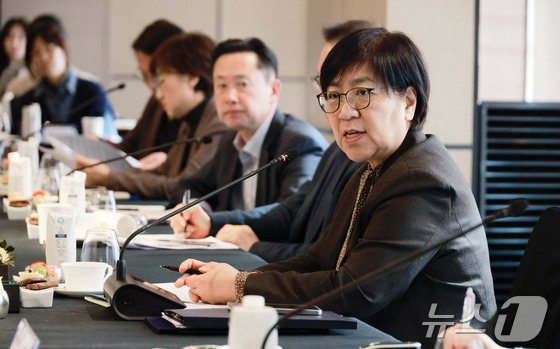
The government recently decided to reclassify cultured autologous immune cells from medium-risk to low-risk. Once follow-up procedures are completed, treatments involving cultured immune cells taken from a patient’s own body—such as natural killer (NK) cells—will be eligible to apply for treatment plan approval without first completing an identical domestic clinical study.
Applicants will still be required to submit safety data from other clinical studies or published literature and obtain approval from the review committee. Cells must be cultured at licensed facilities, while treatment records, costs, and adverse events must all be reported. The regulatory adjustment applies only to autologous immune cells and does not lower barriers for all stem cell therapies, including adipose-derived mesenchymal stem cells.
The government is also moving to validate treatments that frequently drive patients overseas. On July 21 (ET), the Ministry of Health and Welfare finalized its Second Basic Plan for Advanced Regenerative Medicine and Advanced Biopharmaceuticals, launching government-led, multicenter clinical studies for four conditions: knee osteoarthritis, refractory chronic pain, blood cancers, and recurrent glioblastoma.
Clinical studies on knee osteoarthritis, refractory neuropathic pain, and recurrent glioblastoma cleared the review committee last month. The knee osteoarthritis study will run for 21 months, with domestic treatment implementation potentially beginning as early as the second half of 2028 if the results are favorable. However, because the study will take at least two years to complete, it is unlikely to provide an immediate alternative for patients currently seeking treatment overseas.
“Treatment Available” Does Not Mean “Treatment Proven”
Experts caution that simply having access to a treatment—whether domestically or overseas—does not mean its safety and efficacy have been scientifically established. When experimental cell-based interventions are marketed as “treatments,” patients may develop a therapeutic misconception, believing the therapy has already been proven effective.
Kim Byung-soo, a professor of hematology and oncology at Korea University Anam Hospital, said, “When investigational products are administered before research has been completed, there is a risk that study participants may mistakenly believe the therapy’s safety and efficacy have already been established.”
Experts say the solution to reducing overseas medical tourism is not simply to loosen or tighten regulations. Instead, South Korea should expand domestic access to therapies supported by sufficient evidence while strengthening oversight of adverse events from overseas treatments and regulating misleading advertising and referral fee structures.
Lee Jun-mi, director of the Ministry of Health and Welfare’s Regenerative Medicine Policy Division, said, “Patients traveling overseas for expensive stem cell treatments may be exposed to significant risks because it is often unclear whether those therapies have sufficient scientific evidence or adequate safety oversight. Going forward, patients will have greater treatment opportunities through scientifically validated therapies conducted under South Korea’s national safety management system.”