South Korea’s Ministry of Food and Drug Safety (MFDS) is set to engage in discussions with the World Health Organization (WHO) to align biosimilar review standards across the Asia-Pacific region. This initiative aims to narrow the gap between varying regulatory standards, potentially easing the path for domestic biotech firms looking to expand globally.
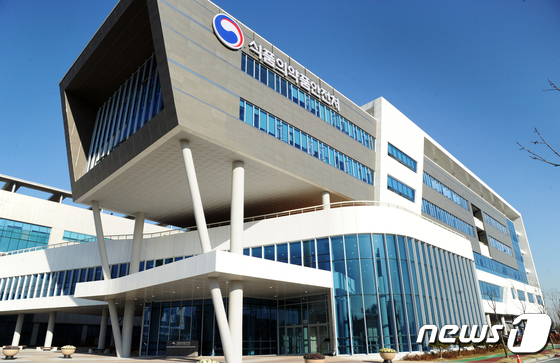
The National Institute of Food and Drug Safety Evaluation, an arm of the MFDS, announced on August 21 that it will co-host a Biosimilar Evaluation Guidelines Implementation Workshop with the WHO from August 24 to 26.
The event will center on Promoting Regulatory Harmonization for Biosimilars. About 40 participants are expected, including officials from foreign regulatory bodies such as China’s National Medical Products Administration, the Philippines’ Food and Drug Administration, and Hong Kong’s Department of Health, alongside WHO representatives and experts from both domestic and international spheres.
Biosimilars are drugs developed to match approved biological medications in terms of quality, efficacy, and safety. With approval and review standards varying by country, companies often face the challenge of preparing additional documentation for foreign markets, underscoring the importance of international regulatory alignment.
The workshop will delve into the key aspects of WHO’s biosimilar evaluation guidelines. Participants will examine real-world applications of these guidelines for monoclonal antibody biosimilars and engage in discussions to bridge the gap between regulatory agencies and industry perspectives.
The U.S. biosimilar market is showing robust growth, with domestic firms making significant inroads. In the first half of this year, four out of nine biosimilars approved by the U.S. Food and Drug Administration (FDA) were from South Korean companies, with Samsung Bioepis and Celltrion each securing two approvals.
Notably, the total number of FDA-approved biosimilars has reached 85 as of the first half of this year, indicating a steady market expansion.
The MFDS has been actively involved in shaping international biosimilar regulations. It contributed to the development of WHO biosimilar evaluation guidelines in 2010 and their revision in 2022. In 2011, it was designated as a WHO Collaborating Center for Biologics Standardization and Evaluation.
South Korea made history in 2012 by becoming the first country to approve a monoclonal antibody biosimilar. The MFDS plans to leverage this regulatory expertise to help enhance biosimilar review capabilities across the Asia-Pacific region.
An MFDS spokesperson expressed optimism about the event, stating that it anticipates this workshop will foster greater mutual understanding among regulatory authorities and industry experts. It should contribute significantly to regulatory harmonization and improve review expertise for biosimilars in the Asia-Pacific region. Through the partnership with WHO, it aims to support the global expansion of the domestic biopharmaceutical industry.