

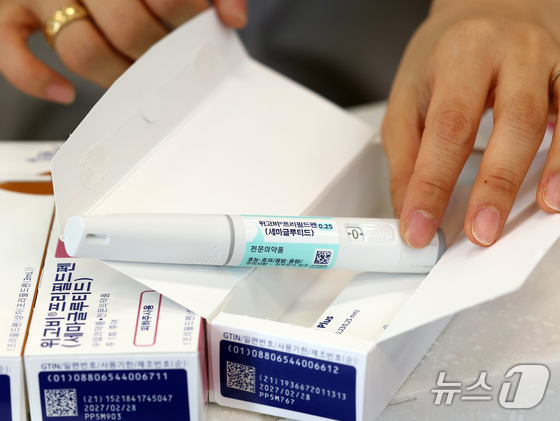
A controversy surrounds the main ingredient semaglutide found in Wegovy and Ozempic, particularly regarding rare vision abnormalities. However, a large-scale study analyzing real-world clinical data reveals that patients taking semaglutide do not face a higher risk of non-arteritic anterior ischemic optic neuropathy (NAION) compared to those using other diabetes medications.
Despite these findings, the European Medicines Agency (EMA) has acknowledged a potential link between semaglutide and NAION. As a result, medical experts advise healthcare providers to carefully consider patients’ underlying conditions and ophthalmic risk factors.
Industry sources report that this research, which utilized data from the U.S. military health system, was published in the 2025 issue of the international journal Military Medicine. The research team analyzed medical claims data from over 1,212,775 adults aged 18 and older who received treatment between December 2017 and September 2023.
The study encompassed 973,529 patients with type 2 diabetes and 239,246 overweight or obese patients. Among this cohort, 2,447 cases were diagnosed with NAION.
After adjusting for comorbidities such as hypertension, dyslipidemia, sleep apnea, and coronary artery disease, researchers compared the risk of NAION between the semaglutide group and those receiving non-GLP-1 receptor agonist treatments.
The results were striking: among patients with type 2 diabetes, the likelihood of NAION diagnosis in the semaglutide group was significantly lower than in those taking other medications. When accounting for comorbidities, the risk was about one-third that of the comparison group.
However, it’s crucial to note that this doesn’t imply semaglutide prevents NAION. The study found no significant correlation between semaglutide use and NAION occurrence in overweight or obese patients. Researchers concluded that these results do not support the notion that semaglutide increases NAION risk.
NAION occurs when blood flow to the optic nerve decreases, leading to sudden, painless vision loss in one eye or partial vision loss. Risk factors include diabetes, hypertension, dyslipidemia, cardiovascular diseases, and sleep apnea.
Many patients prescribed semaglutide have these underlying conditions, making it challenging to distinguish whether observed risks stem from the medication itself or pre-existing health issues.
Last June, the EMA’s Pharmacovigilance Risk Assessment Committee (PRAC) classified NAION as a very rare adverse event after reviewing semaglutide-containing products like Ozempic, Wegovy, and Rybelsus.
The EMA reported that some epidemiological studies indicated the risk of NAION among semaglutide users was approximately twice that of non-users, estimating about one additional case per 10,000 treated patients annually. They advise patients experiencing sudden vision loss or rapid deterioration to seek immediate medical attention and discontinue treatment if NAION is confirmed.
An industry insider commented that this study is significant as it shows no consistent increase in risk between semaglutide and NAION in large-scale real-world clinical data. However, given the rarity of this adverse event, it shouldn’t draw conclusions based on a single study. Continued monitoring of regulatory assessments and additional safety data remains crucial.