

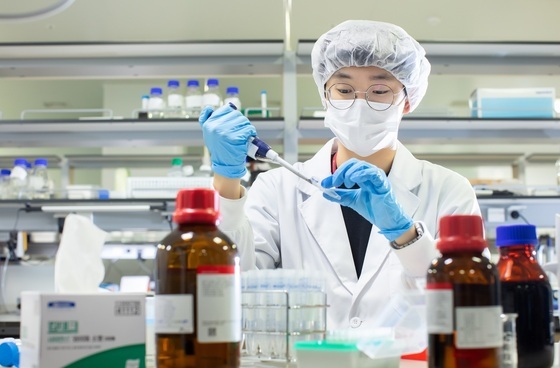
SK Bioscience is approaching the two-year mark since acquiring German contract development and manufacturing organization (CDMO) IDT Biologika. The acquisition expanded SK Bioscience beyond its vaccine-focused business into global CDMO operations, with IDT’s profitability improving and collaboration between the two companies becoming more concrete.
SK Bioscience signed an agreement to acquire IDT from German Klocke Group in June 2024 and completed the transaction in October of that year. Through a wholly owned German subsidiary, SK Bioscience acquired a 60% stake in IDT. The acquisition was initially valued at approximately $243 million, although the final amount changed following adjustments to the purchase price. Klocke Group retained a 40% stake in IDT and acquired a 1.9% stake in SK Bioscience.
Founded in 1921, IDT is a CDMO company that provides drug substance and finished-product manufacturing for vaccines and biopharmaceuticals, as well as process and analytical method development and manufacturing services for clinical and commercial products. SK Bioscience planned to use IDT’s manufacturing facilities and customer base to expand its CDMO business while strengthening global production capabilities for its own vaccines. At the time of the acquisition, SK Bioscience also set a goal of roughly doubling IDT’s annual revenue by 2028.
The first notable change since the acquisition has been an improvement in IDT’s profitability. IDT reported approximately $335 million in revenue and $7.1 million in operating profit in 2025, marking a return to full-year profitability. The company attributed the improvement to stronger partnerships with existing customers and productivity gains from process improvements.
The impact of the acquisition was also reflected in SK Bioscience’s consolidated results. Consolidated revenue reached approximately $469 million in 2025, more than double the previous year’s $193 million. The consolidated operating loss narrowed to approximately $89 million from $105 million a year earlier.
Losses widened in the first quarter of this year as the company’s headquarters relocation, increased R&D spending and investments to improve IDT’s operations overlapped. In the second quarter, however, the operating loss narrowed by 57.9% year over year as higher IDT production volumes, workforce optimization and yield improvements contributed to lower costs. The company’s ability to maintain the improvement through the second half of the year remains an important factor for its full-year performance.
The business combination is also beginning to translate into global projects. In February, SK Bioscience formed a consortium with IDT and Australian vaccine platform company Vaxxas that was selected for a next-generation influenza vaccine development project under the European Commission’s Health and Digital Executive Agency. The first-stage funding is worth approximately $9.3 million and could increase to as much as $162 million if the program advances through subsequent stages.
The companies have also established clearer roles in an Ebola vaccine development program. In a second-generation Zaire Ebola vaccine project being pursued by SK Bioscience with MSD and the Hilleman Institute, SK Bioscience is responsible for drug substance manufacturing, while IDT is responsible for finished-product development and manufacturing. The project previously secured approximately $30 million in funding from the Coalition for Epidemic Preparedness Innovations.
These two projects demonstrate how SK Bioscience’s vaccine development and drug substance manufacturing capabilities are beginning to combine with IDT’s finished-product manufacturing and CDMO capabilities in global programs. Expanding this collaboration to manufacturing SK Bioscience’s own products, however, remains a separate task.
Focus on Execution of the Original Acquisition Plan
At the time of the acquisition, SK Bioscience said it planned to transfer technology for major vaccines, including influenza, shingles, chickenpox and typhoid vaccines, and manufacture them at IDT.
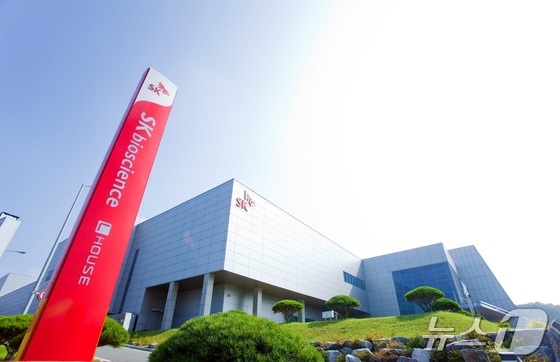
Expanding production of SK Bioscience’s own products to IDT could allow the company to connect its L HOUSE facility in Andong with its German manufacturing infrastructure, increasing production capacity and expanding its ability to respond to overseas demand. For IDT, securing additional production volumes could provide an opportunity to increase facility utilization and revenue.
Actual production would require additional steps, including product-specific process transfers, manufacturing preparation and regulatory approvals or authorizations in the relevant markets.
Whether SK Bioscience’s own products move into concrete production stages at IDT will therefore be an important indicator of the extent of the business synergy created by the acquisition.
Over the two years since the acquisition, IDT has returned to annual profitability and the two companies have begun collaborating on global projects. The next phase will involve maintaining IDT’s improved profitability while turning the original plan to transfer and manufacture SK Bioscience’s own vaccines into actual production.
The extent to which SK Bioscience can translate its global manufacturing infrastructure into actual product supply and business growth will provide a key measure of the acquisition’s impact.