

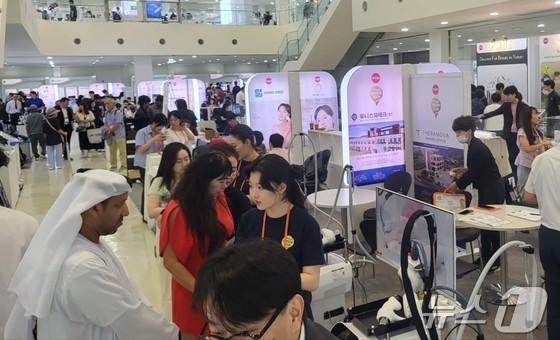
The government’s focus on advanced fields like artificial intelligence (AI) in its biohealth industry promotion policy has sparked calls for increased support and funding across the entire medical device sector. While the domestic medical device industry has seen growth in exports and production, small and medium-sized enterprises (SMEs) still face challenges in accessing policy-driven financing and a health insurance reimbursement system that adequately reflects the value of medical devices.
Industry sources reported on Monday that recent government support policies appear to favor specific areas such as AI. Despite initiatives like the National Growth Fund and inter-agency medical device research and development (R&D) projects, experts argue that individual SMEs lack sufficient support for tangible growth.
There’s a strong emphasis on maintaining policy continuity to foster long-term growth in the medical device industry. While the government is implementing a comprehensive five-year plan to support the sector, industry insiders stress the need to evaluate whether the plan’s objectives are translating into actual budget increases and corporate growth.
Regarding the restructuring of the Ministry of Health and Welfare, experts recommend examining how functions supporting the medical device industry are being allocated and enhanced.
Rather than dismissing the AI-centric approach, some advocate for simultaneously bolstering the fundamental competitiveness of the medical device sector. While AI integration expands possibilities in diagnosis and patient management, technological development alone doesn’t guarantee successful clinical implementation or increased company revenues.
A spokesperson from Company A in the medical device field stated that while AI is receiving significant attention, the essence of medical devices lies in their performance and clinical value. It needs policies that not only integrate AI technology but also support companies in utilizing these innovations and entering the market.
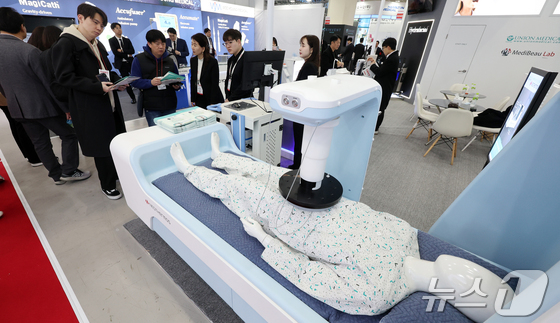
Developing a reimbursement system that reflects the true value of medical devices remains a critical challenge.
Improving the health insurance reimbursement framework has become a key industry demand. For medical device companies to innovate and compete globally, they need recognition for their products’ value in domestic healthcare settings and fair compensation. Critics argue that the government should scrutinize reimbursement structures for medical devices and treatment materials with the same rigor applied to drug pricing systems.
Domestic medical device companies develop products using globally sourced components and materials, competing in international markets.
Industry stakeholders worry that exchange rate fluctuations could increase cost burdens, and if domestic health insurance reimbursements fail to adequately reflect products’ clinical and economic value, it could undermine companies’ profitability and R&D investment capacity.
Supporting overseas expansion and open innovation is also crucial. While programs exist to aid companies in entering international markets and collaborating with hospitals and research institutions, experts emphasize the need to assess whether this support aligns with the industry’s scale and companies’ growth stages.
The medical device industry seeks more than just increased budgets. The goal is to establish comprehensive support mechanisms that companies can leverage throughout the entire process, from R&D to clinical validation, market introduction, and global expansion.
As digital healthcare evolves, medical devices increasingly play a role in early disease detection and ongoing patient management outside hospitals. Industry support policies must adapt to reflect these changes.
A representative from Company B commented that medical devices can significantly reduce healthcare burdens through early disease detection and management. As the domestic industry’s exports and production scale grow, it must consider policy financing, industry support budgets, and reimbursement systems that accurately reflect the value of medical devices to support individual company growth.