

A groundbreaking study by South Korean researchers has demonstrated the restoration of sodium transport functions in cells from patients with Gitelman syndrome, a rare genetic kidney disorder. By inserting normal genes into patient cells, the team has opened up new possibilities for addressing the underlying genetic defects of this condition.
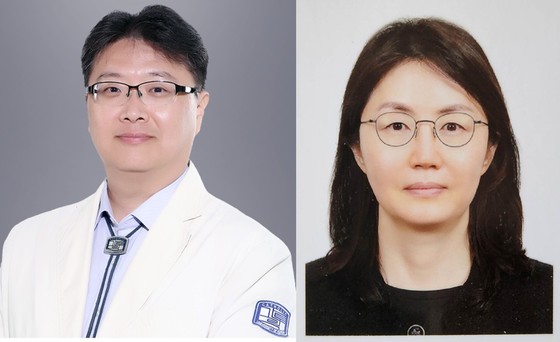
On Monday, Seoul St. Mary’s Hospital announced the findings of a research team led by Dr. Jung Byung-ha from the Department of Nephrology. The team utilized cutting-edge gene-editing technology, patient-derived stem cells, and kidney organoids to achieve these promising results. Dr. Lim Sun-woo from the Catholic University of Korea’s Organ Transplantation Research Institute served as the study’s lead author.
Gitelman syndrome stems from mutations in the SLC12A3 gene, which is responsible for producing a protein that reabsorbs sodium and chloride in the kidney tubules. This genetic anomaly leads to excessive salt loss through urine, resulting in electrolyte imbalances such as hypokalemia and hypomagnesemia.
Typically manifesting in late childhood or adolescence, this autosomal recessive genetic disorder occurs when both copies of the gene inherited from parents carry disease-causing mutations.
Patients often experience chronic fatigue and weakness. In severe cases, electrolyte imbalances can trigger life-threatening complications like arrhythmias or muscle paralysis. Current treatments primarily focus on symptom management through electrolyte supplementation.
The research team generated induced pluripotent stem cells from blood samples of two patients: a 15-year-old male and a 49-year-old female, each with distinct SLC12A3 mutations. Using CRISPR/Cas9 gene-editing technology, they inserted the normal SLC12A3 gene at a specific chromosomal location known as AAVS1.
Rather than correcting each patient’s unique mutation, the team opted to add a normal gene to complement the function. This strategy could potentially be applied to patients with various mutations, offering a more versatile approach.
The corrected stem cells were then cultivated into kidney organoids, which mimic certain structures and functions of the kidney. These mini-organs serve as valuable research models, allowing scientists to study diseases and treatment responses at the cellular level.
The experimental results were promising. Levels of sodium-chloride cotransporter proteins in the patient-derived organoids increased significantly, approaching those of the normal control group. When the control group was set at 100, the values for the two patients’ organoids rose from 55 and 59 before correction to 89 and 93 after correction.
The team also investigated whether this increase in protein levels translated to functional recovery. Before correction, the organoids failed to respond to angiotensin II, a blood pressure-regulating hormone. Post-correction, they exhibited responses similar to those of normal organoids.
Additionally, the organoids showed restored sensitivity to thiazide diuretics, which inhibit sodium-chloride cotransporters. The cells demonstrated decreased sodium levels in response to varying drug concentrations, indicating that the inserted gene not only produced proteins but also influenced sodium transport functions.
While these findings are groundbreaking, it’s important to note that this study represents a proof-of-concept phase. Further research is needed to determine if similar effects can be achieved in the human body and to assess the longevity of these effects.
Dr. Jung emphasized the significance of this research, stating that by combining gene-editing technology with patient-specific stem cells and kidney organoids, it has opened up new avenues for potentially treating hereditary kidney diseases at their root cause. Moving forward, it needs to focus on refining gene delivery techniques, improving physiological gene expression regulation, and conducting long-term safety and efficacy studies in animal models.
This collaborative effort involved researchers from the Catholic University of Korea’s Organ Transplantation Research Institute and Department of Nephrology, as well as a team led by Dr. Lee Jae-young from Sungkyunkwan University’s Samsung Advanced Institute for Health Sciences and Technology. The study received funding from the National Research Foundation of Korea and the Korea Health Industry Development Institute. The findings were published this month in the prestigious international journal Stem Cell Research and Therapy.