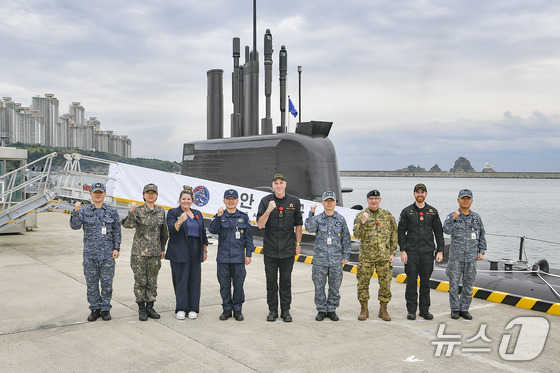
Defense experts suggest that for South Korea to win the Canadian Patrol Submarine Project (CPSP), a 60 trillion KRW (about 40.7 billion USD) contract to build 12 submarines, it needs to broaden its joint response with Canada in the Indo-Pacific strategy.
To secure this major defense export deal, Seoul must lay the groundwork through diplomatic and security channels, leveraging its shared status with Ottawa as middle powers jointly countering North Korean threats.
A report released on Friday by Choi Soo-on, a research fellow at the Korea Institute for Defense Analysis (KIDA), titled, Analysis of Strategic Connectivity Between Korea and Canada: Focused on the Indo-Pacific Strategy, highlights that South Korea and Canada upgraded their relationship to a Comprehensive Strategic Partnership (CSP) in September 2022, marking 60 years of diplomatic ties and strengthening defense and security cooperation.
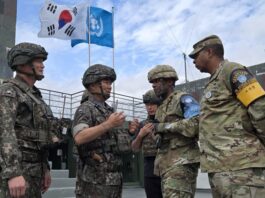
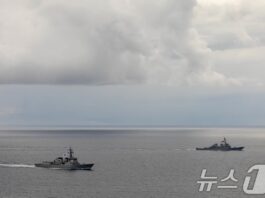
The Korea-Canada CSP Action Plan, adopted in July last year, outlines both nations’ commitment to utilizing their Indo-Pacific strategies as a framework for enhanced defense cooperation. This commitment has materialized through initiatives like the inaugural Foreign Affairs and Defense (2+2) Ministerial Meeting in November, the launch of the Korea-Canada Indo-Pacific Dialogue, and increased joint participation in regional operations.
Choi noted that Canada, as a North Atlantic Treaty Organization (NATO) member, expects South Korea to take on a larger role in European-Atlantic security. This expectation has led to joint positions on issues such as North Korea’s nuclear threat and the importance of a rules-based maritime order in forums including the G20, Association of Southeast Asian Nations (ASEAN) Regional Forum (ARF), and the Seoul Security Dialogue (SSD).
Despite their geographical distance, Choi emphasized that both countries share common ground in facing North Korean threats and their middle power status. He recommended leveraging these shared interests to enhance cooperation in addressing security challenges in the Indo-Pacific region.
The researcher pointed out that as North Korea’s nuclear-capable missile range now extends to North America, Canada has begun to view Pyongyang as a direct threat in the Indo-Pacific. This shift opens up greater opportunities for diplomatic collaboration between Seoul and Ottawa.
Choi analyzed that combining Canada’s vast natural resources and diplomatic clout with South Korea’s cutting-edge military technology and regional networks could create a powerful synergy in bolstering security capabilities. He added that their positions as leading middle powers in their respective regions could set a precedent for future network cooperation among U.S. allies.
Should South Korea secure the Canadian submarine project, Choi projected it could catalyze cooperation beyond defense, contributing significantly to stability and peace in the Indo-Pacific region.
Canada is currently seeking to replace its aging fleet of 2,400-ton submarines, set to retire in the mid-2030s, with new diesel submarines. The project, including maintenance, repair, and overhaul (MRO) costs, could reach up to 60 trillion KRW (about 40.7 billion USD). South Korea, partnering with a German firm, has made it to the shortlist of qualified candidates.
Choi concluded that the defense sector achievements under the Lee Jae Myung administration are likely to boost South Korea’s defense industry capabilities and exports. He noted that securing the Canadian project could potentially elevate South Korea to one of the top four defense powers and serve as a prime example of strategic alignment between the two nations in the Indo-Pacific region.