

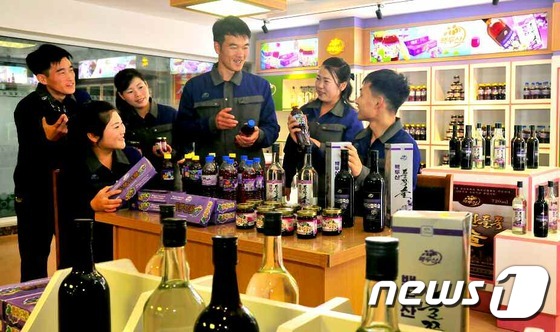
North Korea has unveiled a new domestically produced rum, signaling a diversification of its liquor industry. This marks the first confirmed production of sugarcane-based spirits in the country, which has traditionally focused on grain-based soju, traditional liquors, and beer. The move suggests a potential shift in North Korea’s alcoholic beverage landscape.
Sources familiar with North Korean affairs report that the rum, manufactured in a factory in the northeastern city of Chongjin, is priced at 1,300 KRW (about 1 USD) for a 175ml bottle. With an alcohol content of 40%, it’s comparable to standard spirits. The bottle reportedly features a gold-lettered Rum label.
Sugar appears to be the primary ingredient in this rum. However, North Korea’s climate isn’t conducive to large-scale sugarcane cultivation, leading to significant sugar imports from China. This raises questions about the potential use of external supply chains in sourcing ingredients for this new product.
The emergence of this sugarcane-based spirit is noteworthy, as such production has rarely been documented in North Korea. It’s seen not just as a new product launch, but as a technological experiment and a possible indicator of expansion in the consumer goods sector.
This product launch suggests that North Korea’s liquor industry may be diversifying beyond its traditional grain-based offerings. Recent reports indicate a growing variety of alcoholic beverages in the country, including beers and fruit wines, pointing to an expanding range of consumer choices.
The 1 USD price point suggests the product may be targeting urban consumers with some disposable income. Analysts speculate that North Korean authorities may be using consumer goods diversification as a strategy to meet domestic demand while managing limited market reforms.
North Korea also appears to be exploring international markets for its alcoholic beverages. There are indications that its domestic beer, Tumen River 11, has been exported to Russia’s Far Eastern region of Yakutia, signaling ongoing efforts to establish foreign sales channels.
Internally, the launch of this rum seems aimed at stimulating economic activity by increasing consumer-goods production. Externally, it may represent an attempt to generate foreign currency through the food and beverage sector, which is less affected by international sanctions.
However, some experts caution that limitations in ingredient sourcing, production scale, and distribution networks may relegate this product to a more symbolic role with experimental characteristics rather than a significant market entry.