North Korea has emphasized the need to minimize damage to its agricultural sector as drought conditions worsen due to insufficient spring rainfall.
On April 19, the ruling party’s official newspaper Rodong Sinmun reported, citing the Meteorological and Hydrological Bureau, that nationwide rainfall has remained extremely low so far this year.
According to the newspaper, the average nationwide rainfall in March was about 10mm (0.39 inches), significantly below normal levels, leading to severe drought conditions. April showed a slight improvement in early days with 14.3mm (0.56 inches) of rainfall, but since the 11th, precipitation has dropped to just 0.4mm (0.02 inches), indicating virtually no rain.
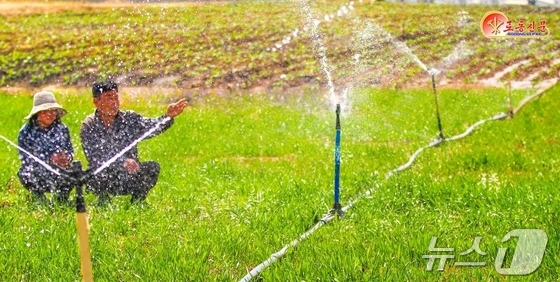
North Korea forecasts no rain for about another week, with daytime high temperatures continuing to rise, causing drought to persist in most regions. Consequently, officials stressed the need to enhance water management and irrigation measures to minimize agricultural damage.
Analysts interpret North Korea’s early mention of drought concerns this spring as an effort to proactively manage potential disruptions to agricultural production. The lack of rainfall during this critical period could directly impact farming schedules, such as rice planting, and may pose future challenges for food security in the country.