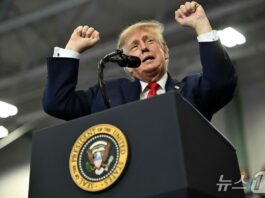
The Donald Trump administration’s push to lower drug prices is rapidly expanding from major global pharmaceutical companies to mid-sized firms.
While domestic companies aren’t yet directly targeted, experts suggest that if the policy scope widens, it could potentially burden firms selling their own novel drugs in the U.S. market.
On Monday, the Trump administration inked a Most Favored Nation (MFN) pricing agreement with nine pharmaceutical companies, including Alcon, Astellas Pharma, BeOne Medicines, BridgeBio, CSL, Kyowa Kirin, Sun Pharma, Teva Pharmaceuticals, and UCB, according to major international news outlets on September 2.
The MFN policy is a cornerstone of the Trump administration’s healthcare initiative, aiming to align U.S. drug prices with the lower rates paid by other developed nations.
Previously, the administration had struck similar deals with 17 major pharmaceutical giants, including Pfizer, AstraZeneca, Eli Lilly, Novo Nordisk, Amgen, Merck (MSD), and Johnson & Johnson (J&J).
With these nine additional companies, the total number of pharmaceutical firms participating in the MFN agreement has reached 26. The White House reports that these companies represent 89% of the U.S. brand-name drug market.
Lowering Drug Prices and Boosting U.S. Manufacturing: A Two-Pronged Approach
The Trump administration is also pushing pharmaceutical companies to expand their U.S.-based production. The nine firms that recently signed the agreement have pledged to invest over 19.6 billion USD in domestic drug manufacturing facilities in the near term.
Several companies, including UCB, Sun Pharma, Teva, and Astellas, have also agreed to supply active pharmaceutical ingredients (APIs) to the U.S. government. This move aims to reduce dependence on overseas suppliers like China and India by stockpiling essential drug components domestically.
The administration is linking its drug pricing and domestic production policies to tariff decisions. Companies that agree to MFN pricing or commit to expanding U.S.-based production and R&D may receive tariff exemptions on patented drugs.
Potential Pricing Pressures for Domestic Novel Drugs, While Biosimilars May See Benefits
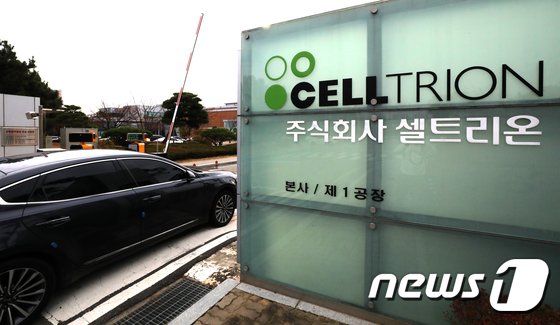
The impact of the Trump administration’s drug pricing policy on South Korean pharmaceutical and biotech firms appears limited for now. None of the 26 companies in the MFN agreement are Korean, and many domestic firms focus on technology transfers to global pharmaceutical companies or clinical development rather than direct U.S. sales of their novel drugs.
However, the landscape could shift if the MFN’s scope expands. Companies selling their own newly developed drugs in the U.S. should remain vigilant about potential changes in drug pricing policies.
Conversely, biosimilar companies, including Celltrion, may find themselves in a favorable position. The Trump administration has acknowledged that price competition for generics and biosimilars is already robust, exempting them from price reduction pressures.
An industry insider noted that the critical factor is how far the Trump administration’s drug pricing policy will extend. While it could create new pricing challenges for companies selling proprietary drugs in the U.S., it may also offer biosimilar firms an opportunity to capture market share from original medications.